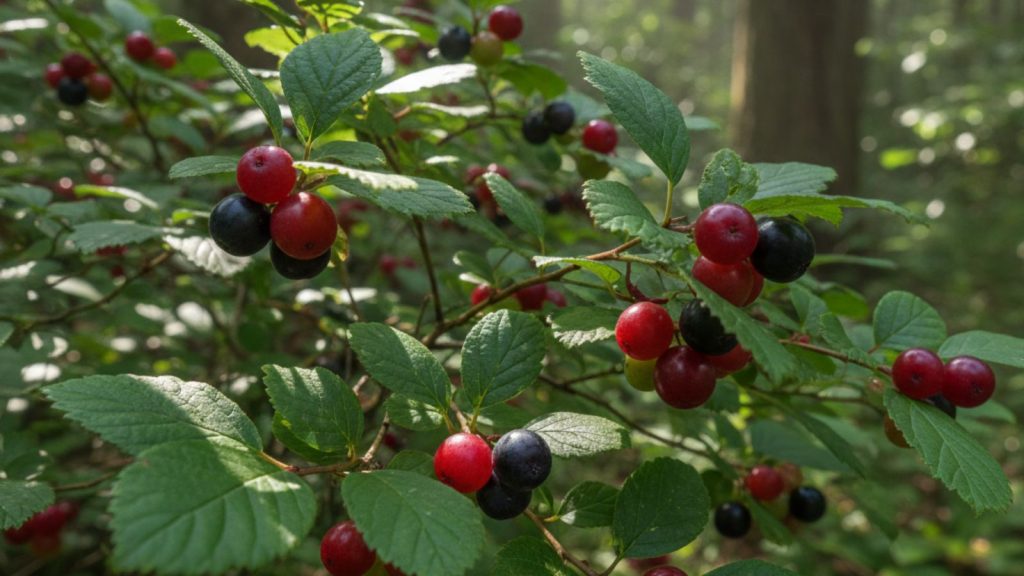
If you enjoy watching birds and wildlife in your garden, you might have wondered what common garden birds eat in the wild. Knowing their natural diet helps you attract more species, offer better food, and keep birds healthy year-round.
This guide looks at what garden birds eat outside of your garden, how their diets change with the seasons, and how you can offer similar foods.
What Do Garden Birds Eat Naturally?
Most garden birds eat whatever is available in the wild, depending on the season. Their natural diet usually includes:
- Insects and invertebrates
- Seeds and grains
- Berries and fruit
- Nuts
- Nectar (for some species)
The mix of these foods changes with the seasons.
What Garden Birds Eat in Spring and Summer
In spring and summer, insects are the main food for many birds, especially for parents feeding their chicks.
Common natural foods include:
- Caterpillars
- Beetles
- Aphids
- Spiders
- Worms
- Flies and larvae
For example,
- Blue tits and great tits rely heavily on caterpillars to feed their young.
- Robins and blackbirds search lawns and soil for worms and insects.
- Wrens hunt tiny insects in hedges and shrubs.
Protein-rich insects are vital for chicks to grow, so gardens that support lots of insects are very helpful for birds.
What Garden Birds Eat in Autumn
When there are fewer insects, birds start eating more berries, seeds, and fallen fruit.
Natural autumn foods include:
- Hawthorn berries
- Rowan berries
- Elderberries
- Blackberries
- Windfall apples
- Seed heads from wildflowers
This is an important time for birds to build up fat before winter. Shrubs and trees with berries are great for helping wild birds.
What Garden Birds Eat in Winter
Winter is the hardest season for garden birds. Insects are hard to find, days are short, and birds need high-energy food to get through cold nights.
In the wild, birds eat:
- Seeds from grasses and weeds
- Nuts
- Remaining berries
- Overwintering insects are hidden in bark.
- Agricultural grains
Species like chaffinches, house sparrows, and goldfinches rely heavily on seeds, while robins and blackbirds continue searching for insects where possible.
High-fat foods are especially important when it’s freezing outside.
Diets of Common Garden Birds
Here’s a quick look at what some of the most common garden birds eat in the wild:
Robin
- Worms
- Insects
- Spiders
- Berries (in colder months)
Blue Tit
- Caterpillars
- Insects
- Seeds
- Nuts
Blackbird
- Worms
- Beetles
- Fruit
- Berries
Goldfinch
- Teasel seeds
- Thistle seeds
- Dandelion seeds
House Sparrow
- Seeds
- Grains
- Small insects
Understanding these natural diets helps you pick the best extra foods for your garden birds.
How to Replicate a Natural Diet in Your Garden
To help garden birds, try to offer foods similar to what they eat in the wild:
- Offer seed mixes that mimic natural seed mixes.
- Provide suet and fat balls in winter.
- Leave some areas of the garden wild for insects.
- Plant berry-producing shrubs.
- Avoid using pesticides.
The closer your garden is to a natural ecosystem, the more birds you’ll attract and the healthier they’ll be.
Why Understanding Natural Bird Diets Matters
Feeding birds is wonderful, but it’s even better when it supports their biological needs. Providing the wrong food at the wrong time can be unhelpful, while offering seasonally appropriate foods can:
- Increase survival rates in winter.
- Support successful breeding.
- Encourage greater biodiversity.
- Attract a broader range of species.
When you know what garden birds eat in the wild, you can make better choices about feeders, plants, and how you manage your garden.
Feeding Garden Birds the Right Way
If you’re new to feeding birds or would like a simple guide, check out our Start Here page. It covers everything from picking the right feeders to seasonal tips and advice on attracting more birds into your garden.
Whether you’re just starting or looking to make your outdoor space more wildlife-friendly, learning about natural bird diets is a great place to begin. By learning what garden birds eat in the wild, you’re not just feeding birds — you’re helping protect and support incredible garden wildlife.