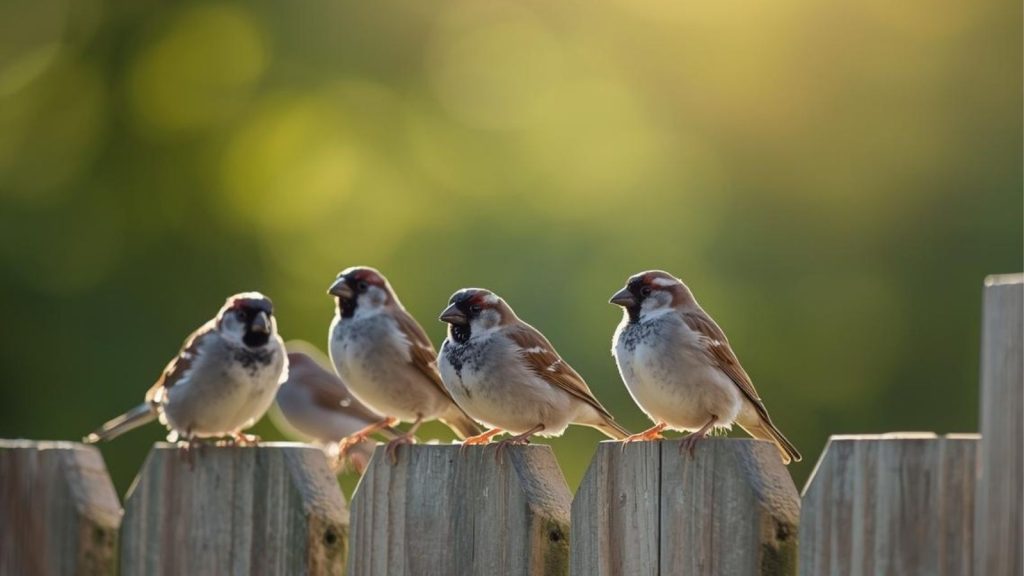
Observing garden birds in the UK is one of the easiest and most rewarding ways to connect with nature. Whether your garden is big or small, you can attract and support a wide variety of birds with the right approach.
To help you get the most out of birdwatching in your garden, this page will show you how to get started, what birds you’re likely to see, and how to feed birds throughout the year.
What Are Garden Birds?
Garden birds are species that commonly visit gardens in search of food and water. Many of these birds have adapted well to living near people.
Most gardens across the UK attract a similar group of birds, especially once feeding becomes regular. These birds may appear gradually, so patience is key.
Typical garden birds include:
Robins, which prefer ground feeding.
Blue tits, which use hanging feeders.
Blackbirds, which favour soft foods and open spaces.
Finches, attracted to seed feeders.
Different garden birds have different needs, which is why understanding bird food and feeders is so important.
If you’re curious about which birds you might spot first, check out our guide to the Top 10 Birds You’re Likely to See in Your Garden. It’s a great way to start learning how to identify your visitors.
By making a few simple changes, you can quickly start attracting different kinds of birds to your garden. Our guide, How to Attract Birds to Your Garden Fast (UK Guide), covers everything from choosing the right food and feeders to creating safe, welcoming spaces. These practical steps work whether you are new to birdwatching or want to see more birds in your garden right away.
A garden bird journal is a great way to expand on your birdwatching and connect with the birds that frequently visit your space. By keeping notes of species, behaviours, seasons, and feeding patterns, you can spot trends you might not notice otherwise. Our guide on How To Start A Garden Bird Journal offers practical tips on choosing a format, what to record, and how to make journaling a fun part of your daily birdwatching routine.
If you are curious about how bird populations are changing across the country, it’s helpful to see which species are actually doing well. Some garden birds still face challenges, but others are adjusting and even growing in number. In our detailed guide, Which Garden Birds Are Increasing in the UK?, we look at the species making a comeback, what’s helping them succeed, and what that means for your garden.
Many birds still come to our feeders and hedges, but some are declining rapidly due to habitat loss, climate change, and changes in their food supply. To find out which familiar birds are at risk, check out our guide on Which Garden Birds Are Declining In The UK.
One of the best habits to develop when starting your birdwatching journey is to keep a simple log of the birds you spot in your garden. Writing down what you see helps you recognise different species faster and shows patterns in behaviour, seasonal visitors, and feeding habits over time. To help you get going with an easy and practical system, take a look at our guide How to Create a Birdwatching Log for Your Garden.
You may already be able to identify your usual garden birds, but you might be surprised to learn that some more unusual species could make a stop in your garden, too. There’s always the chance of an unexpected sighting—especially during seasonal shifts. Discover which rarer species to watch out for and how to make your space more inviting in our guide to Rarer Birds That Might Visit Your Garden.
If you’ve noticed the same bird visiting your feeder every day, you might be wondering if that’s normal. While garden feeders can attract many different species, it’s also common for one dominant bird to take centre stage. Before you worry that something’s wrong with your setup, consider the factors that affect bird visits, such as the type of food, habitat, and seasons. In our detailed guide, Is It Normal to Have Only One Species of Bird Visiting Your Feeder?, we explain why this happens and what you can do about it.
Why Feeding Garden Birds Is Important
Feeding garden birds helps supplement their natural diet, particularly at times when food is scarce. Modern landscapes often lack the wild plants, insects, and birds that once relied on them.
Bird feeding can:
- Help birds survive through winter and harsh weather.
- Support birds during breeding season.
- Encourage a greater variety of birds into your garden.
- It allows you to observe birds up close.
Feeding birds supports nature, which makes choosing the right food and feeders really important.
What You Need to Start Feeding Garden Birds
You don’t need much money to start feeding garden birds; a small budget is a great start.
1. Bird Feeders
Different feeders attract different birds. Many beginners start with:
- One hanging seed feeder
- One fat ball or suet feeder
Placing feeders correctly helps birds feel safe and reduces mess.
2. Bird Food
Quality bird food is essential for bird health. Popular choices include:
- Mixed bird seed
- Sunflower hearts
- Fat balls or suet
Avoid cheap seed mixes that contain fillers birds don’t eat.
3. A Safe Location
Feeders should be placed:
- Away from predators like cats.
- Near cover, such as shrubs or trees.
- High enough to feel safe.
Keeping feeders clean is also crucial for preventing disease.
Once your feeders are set up and you know which birds to watch for, timing is key. Different species are most active at certain times, and knowing these patterns can help you see more birds. Our guide on the Best Time Of Day To Observe Garden Birds explains when and why bird activity peaks, so you can plan your birdwatching for the best results.
If you’re interested in birdwatching but concerned about the cost, don’t let that stop you. You don’t need fancy equipment or to travel far to enjoy this hobby. Some of the best bird sightings can happen right outside your window. In our guide Birdwatching On A Budget, we offer practical tips on affordable gear, free resources, and easy ways to start spotting and identifying birds without spending a lot of money.
Feeding Garden Birds Safely
While feeding birds is beneficial, it must be done responsibly.
To feed garden birds safely:
Clean feeders regularly.
Remove old or mouldy food.
Avoid feeding bread, salty foods, or processed scraps.
Keep feeding areas tidy.
Once you start feeding birds, keeping it consistent is key, especially in winter.
If you’ve ever stopped to watch birds enjoying your feeders, you might have wondered how much their food matches what they eat in nature. Seed mixes and suet blocks are easy to offer, but garden birds are used to eating a wide range of seasonal foods in the wild. Their diets shift from protein-rich insects in spring to berries and seeds in autumn. To learn more about what really feeds the birds in your garden, check out our detailed guide on What Garden Birds Eat In The Wild.
Garden birds are very clever when it comes to finding food. Blackberries and other berries are more than just tasty treats; they contain lots of nutrients that help keep them healthy and happy. Our guide on Why Garden Birds Love Blackberries and Other Berries will help you learn more about their diets and how planting berries can attract more birds into your garden.
If you want an easy way to relax and enjoy nature, try watching birds in your garden. This Beginner’s Guide To Birdwatching For Stress Relief In The UK covers everything you need, from spotting common garden birds to making your outdoor space more welcoming for wildlife. No matter the size of your garden or patio, you’ll see how watching birds can help you feel calmer, more focused, and give you a break from daily stress.
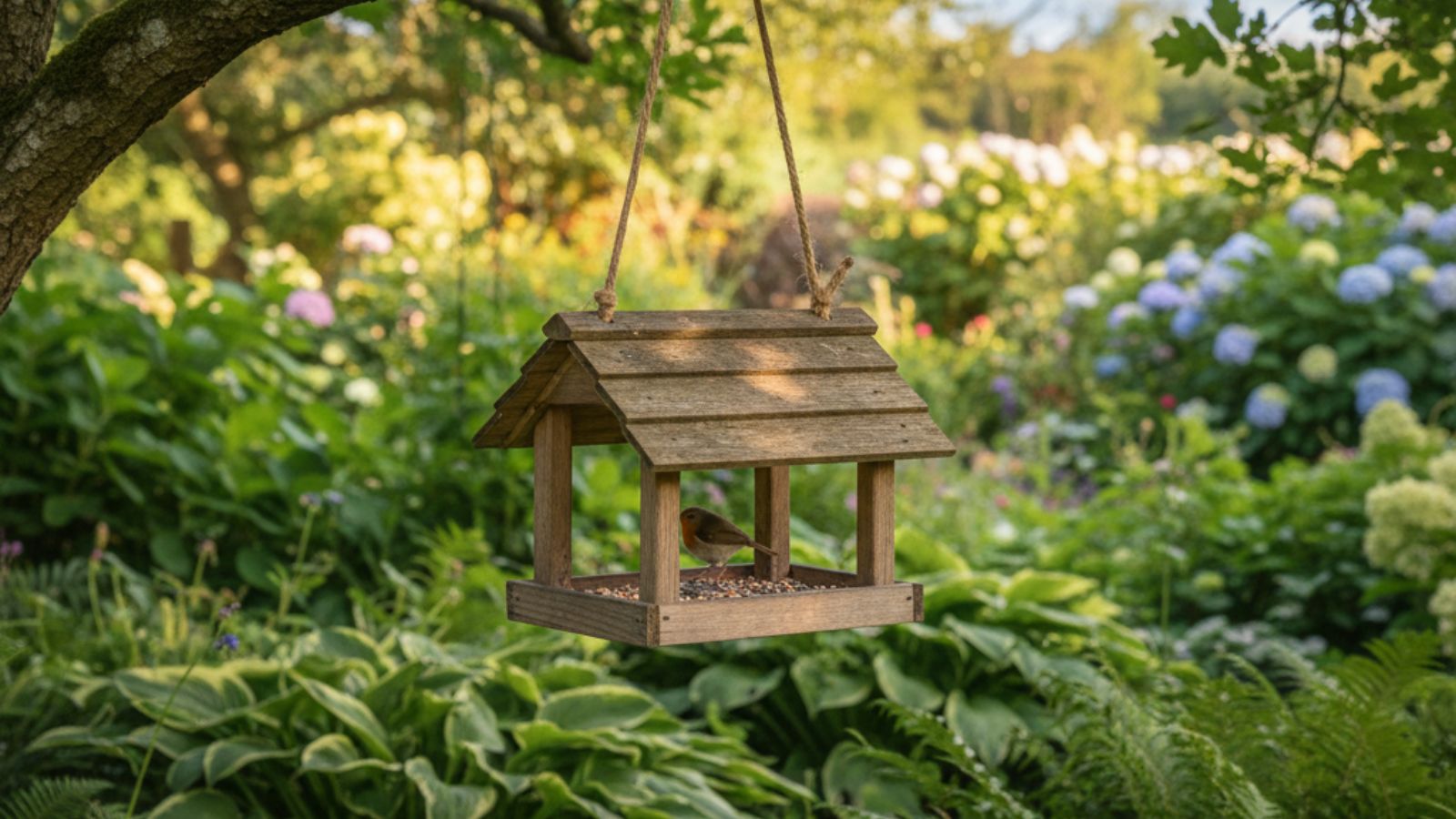
Feeding Garden Birds Throughout the Year
Feeding birds benefits them year-round, not just in winter.
Winter: High-energy foods like fat and seeds.
Spring: Protein-rich foods to support breeding.
Summer: Moderate feeding and fresh water.
Autumn: Foods that help birds build energy reserves.
Each season brings different needs, and adjusting food accordingly helps birds thrive.
Many people assume bird boxes don’t get used until spring, but that’s not always true. In winter, many garden birds use them for shelter. Our detailed guide: Do Birds Use Bird Boxes In Winter? explains which birds move in, why they choose bird boxes, and how you can make your box a safe place during the coldest months.
Most people think of birds chirping on bright spring mornings, but why do some birds make noise on dark winter nights? This surprising behaviour has a few interesting causes, including changes in daylight, city lights, and seasonal habits. In our guide, Why Are Birds Chirping At Night In Winter?, we explain which birds sing after sunset and what their nighttime songs might mean.
You may wonder when garden birds return each year for Spring. Our guide, When Do Garden Birds Return in Spring?, looks at when different species arrive how you can get your garden ready for them.
Spring often brings unexpected moments in the garden, including finding a baby bird on the ground. Knowing what to do — and what not to do — can make a real difference. Our guide on What To Do If You Find A Baby Bird in spring explains how to tell if a bird needs help and the safest steps to take.
Many new birdwatchers wonder when garden birds start preparing their nests for the breeding season. Our guide to What Month Do Garden Birds Build Nests? explores what months this happens, shares tips for spotting them safely, and explains how you can help birds in your garden.
If you are curious to learn about the life cycle of birds and when you might see nests in your garden, our guide on What Month Birds Lay Eggs? gives a real insight in their patterns and behaviours around the time of nesting.
Have you ever wondered about what happens after birds come to your feeder and begin nesting close by? Learning about their early life stages can make birdwatching even more enjoyable. In our guide, How Long Do Baby Birds Stay in the Nest?, we look at the nesting timeline, what to expect as chicks grow, and how you can help them safely from afar.
If you would like to know which birds are most likely to nest in your garden, our guide to the Top 5 Bird Species That Love to Nest in UK Gardens is a great place to begin. It covers familiar favourites and some surprises, showing the birds that often choose UK gardens for nesting. Plus, it offers easy tips to help make your garden more inviting for them. This is a useful step if you want to attract more nesting birds and support local wildlife right outside your home.
Creating a Bird-Friendly Garden
Feeding birds is only one part of supporting garden wildlife. You can also:
- Plant shrubs and trees for shelter.
- Leave seed heads on plants.
- Provide fresh water.
- Avoid chemicals where possible.
Even small changes can make a big difference.
A good place to start when making your garden bird-friendly is to find simple, effective ways to welcome more birds into your outside space. To get started, read our guide, How to Attract More Birds to Your Garden, and try some of the easy tips and advice.
Once your bird feeder is attracting birds, adding a water source will make it even more welcoming. Fresh, clean water is just as important to birds as food, especially in the warmer months when natural water can be hard to find. To help you complete your setup, check out our guide, The Best Bird Baths For Your Garden. We cover different styles, features, and tips to help you pick the right one for your outdoor space.
If you want to do more to help birds in your garden, picking the right nest box is key. Whether it’s a classic wooden box or one made just for blue tits, robins, or owls, each type helps create a safe, welcoming home. In our detailed guide, Types of Nest Boxes: A Complete Guide for Garden Birds, you’ll learn which styles fit different birds, where to put them, and how to boost your chances of attracting nesting visitors.
It’s really important to consider safety when welcoming more wildlife into your garden. Domestic cats, even those well-fed, are natural hunters and can be a serious threat to birds. In our guide How To Protect Garden Birds From Cats, you’ll find helpful tips on how to create a safe outdoor space and ways to place feeders out of reach. These easy steps not only keep birds protected but also deter cats from your garden.
Window collisions are a common cause of injury for garden birds. Large glass panes often reflect the sky and trees so well that birds can’t tell they’re hitting a barrier. Our detailed guide, How To Stop Garden Birds Hitting Windows, offers simple, effective solutions. You’ll learn how to adjust feeders, use window decals, and add external screens. These steps help protect local wildlife and keep your home safe, all while letting in plenty of natural light.
If you would like to attract more birds and encourage them to nest in your garden, providing safe, suitable shelter is key. Whether it’s picking the right nest boxes or adding natural cover with plants and hedges, a few simple touches can make your garden inviting for breeding birds. Our guide, How To Provide Shelter For Nesting Birds In Your Garden, will show you easy, practical ways to create safe nesting spots that protect birds and support local wildlife.
Noticing when a bird is nesting in your garden can help you protect their eggs and chicks, and it also brings you closer to nature. If you want tips on how to spot nesting activity, take a look at our guide on How to Tell If a Bird Is Nesting in Your Garden.
If you’ve ever seen an old bird’s nest hidden in a hedge or tree, you might wonder if they come back to use it again. It is important to create a safe and welcoming nesting space in a bird-friendly garden, but different species have their own nesting habits. Some birds fix up old nests and return, while others build new ones each year. To learn more about which birds are likely to return to old spots, take a look at our guide Do Garden Birds Reuse Their Nests?
Take the next step—use these tips to create your ideal bird-feeding setup:
Bird Feeders: Learn about the different types of bird feeders and where to place them
Bird Food: Discover the best food for garden birds — and what to avoid
Final Thoughts
Invite garden birds into your life—set up your feeders, offer nutritious food, and welcome new visitors each season.
Begin feeding garden birds today and explore this site to continue learning—make your UK garden a bird haven.