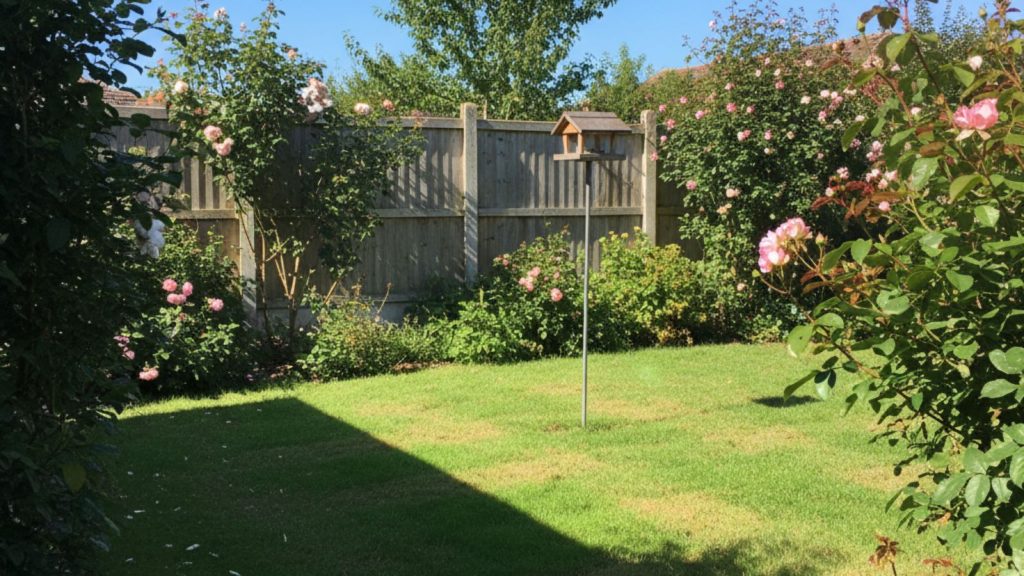
If you notice your usually busy bird feeder has suddenly gone quiet, you’re not the only one. Many garden bird watchers notice times when feeders are ignored, sometimes overnight. This can feel worrying, especially if you’ve been topping up the seed regularly. The good news is that most of the time, there’s a natural reason for it.
Here are some reasons why birds suddenly stop visiting feeders, and what you can do to help.
1. Seasonal Changes in Food Availability
One of the most common reasons birds stop using feeders is simply that natural food has become abundant.
During spring and summer, trees, hedgerows and lawns provide:
- Insects and caterpillars
- Seeds and grasses
- Berries and fruit
- Aphids and other soft-bodied prey
Parent birds such as blue tits, great tits and robins often prioritise feeding their chicks natural insects because they’re high in protein and easier for young birds to digest. When natural food is plentiful, your feeder becomes less essential.
In autumn and winter, when insects decline and frost hits the ground, feeders usually become busy again.
2. Young Birds Haven’t Found Your Feeder Yet
Late spring and summer bring fledglings into the garden. These young birds are inexperienced and may not immediately recognise feeders as a food source.
It can take a few weeks for juveniles to learn:
- Where food is located.
- Which feeders are safe.
- How to perch and feed properly.
If you’ve had an active winter and a quiet summer, this learning curve could be the reason.
3. Predator Activity in the Area
Birds are extremely alert to danger. If a sparrowhawk has been hunting nearby or a cat has been seen stalking the garden, birds may temporarily avoid your feeder.
Signs this could be the cause:
- Feathers scattered on the lawn.
- Birds are suddenly scattering and not returning.
- A sharp drop in all bird activity, not just at feeders.
Usually, birds return once they feel the risk has passed.
4. Dirty or Mouldy Feeders
Wetter weather, especially damp conditions, can quickly spoil bird food. Wet seed can clump together and grow mould, which birds naturally avoid.
You should:
- Clean feeders every 1–2 weeks (more often in warm weather).
- Ensure food stays dry and fresh.
Old or spoiled seed is a common reason feeders are ignored, but it is often overlooked.
5. Changes in the Garden Environment
Even small changes can affect birds’ behaviour, as they rely on familiarity, routine, and safe cover.
Changes you may have made recently:
- Pruned hedges heavily.
- Removed shrubs.
- Installed new fencing.
- Moved the feeder location.
Birds prefer feeders near cover, such as trees or thick shrubs, so that they can escape predators quickly.
6. Food Type Isn’t Appealing
Different species prefer different foods.
- Sunflower hearts attract tits, finches and nuthatches.
- Peanuts are popular with great spotted woodpeckers and tits.
- Nyjer seed attracts goldfinches.
- Mealworms appeal to robins and blackbirds.
If there isn’t a variety of seeds, you may not attract as many birds because of this. Try rotating or mixing different foods to increase activity.
7. Temporary Migration or Movement
Some garden birds shift territories outside of breeding season. Others form flocks and move through areas in waves. A quiet patch can mean your local group has temporarily moved on.
This is particularly common with:
- Siskins
- Redpolls
- Goldfinches
Often, these birds come back just as quickly as they left.
When Should You Be Concerned?
Most of the time, a quiet feeder is nothing to worry about. But if you notice fewer birds across your whole neighbourhood for a long time, it could be due to bigger changes like habitat loss or new building work nearby.
How to Encourage Birds Back to Your Feeder
If your feeder has gone quiet, try these simple steps:
- Clean and refill with fresh, high-quality seed.
- Add a water source (bird bath or shallow dish).
- Provide multiple food types.
- Ensure feeders are positioned near natural cover.
- Avoid sudden disturbances in the garden.
Patience is important. Birds usually return when conditions are right for them.
Choosing the Right Feeder Matters
Sometimes the problem can be the feeder you are using. Stability, drainage, and where you place the feeder all help attract regular visitors. A sturdy feeder that keeps food dry and safe from ground predators can make a big difference.
If you’re looking to upgrade your garden feeding station, take a look at our Bird Feeders page, where you will find a range of guides to help you learn how to attract birds to your garden.
Final Thoughts
If birds suddenly stop coming to your feeder, it’s usually nothing to worry about. Most of the time, it’s due to seasonal food changes, predators, changes in your garden, or birds just learning new habits.
Keep your feeders clean, offer good food, and make sure your garden is safe. If you do this, you’ll likely see plenty of birds return soon.
Watching wild birds is one of the simple joys of having a garden. A quiet spell is often just part of the natural rhythm of the seasons.