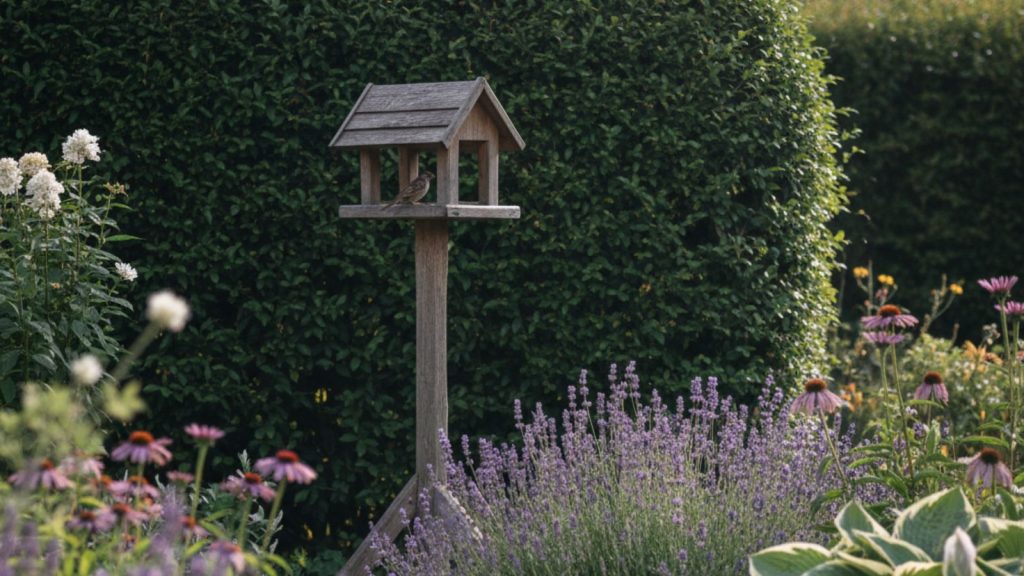
If you regularly refill your feeders and provide fresh water, you’re likely used to seeing familiar favourites like robins, blue tits, and blackbirds. But now and then, you might spot a flash of unexpected colour or a bird you don’t immediately recognise.
So which less common UK birds might visit your garden? While scarce birds are still unusual guests, several species that aren’t seen as often do appear in gardens, especially in winter or during migration.
Here’s what to watch for and some tips to help you attract them.
Hawfinch
The hawfinch is one of the most impressive finches, with a large, strong bill made for cracking cherry stones. They are shy and usually stay in woodlands, but in some winters, they visit gardens.
How to attract them:
- Offer sunflower hearts.
- Provide large seeds on a tray feeder.
- Keep disturbance low.
Hawfinches are cautious birds, so quiet gardens close to woodland are most likely to attract them.
Brambling
Bramblings are often missed because they look similar to chaffinches, but they are striking winter visitors from Scandinavia and northern Europe. Male bramblings have bright orange shoulders and a noticeable white rump when flying.
You’re most likely to see bramblings:
- Between October and March.
- During colder winters.
- Feeding on fallen seed under feeders.
Try scattering seed on the ground or using ground trays to encourage them to visit.
Lesser Redpoll
These small, streaky finches don’t visit gardens regularly, but you might see more of them during irruption years when food is hard to find in the countryside.
They love:
- Nyjer seed
- Sunflower hearts
- Silver birch trees (if you have one nearby)
You can identify them by their red patch on the forehead and their constant twittering calls.
Siskin
Siskins were once thought of as woodland birds, but now they often visit garden feeders. For many gardeners, they still feel like a “rare treat.”
They are particularly fond of:
- Nyjer seed
- Sunflower hearts
- They often feed in flocks during late winter and spring.
Redwing and Fieldfare
These winter thrushes rarely use feeders, but they may come into gardens during harsh weather when natural food is scarce.
To attract them:
- Leave windfall apples on the lawn.
- Provide berry-producing shrubs.
- Offer soaked raisins or chopped fruit.
You’re more likely to see them during frosty periods between November and February.
Firecrest
The firecrest is the UK’s smallest bird, even tinier than a goldcrest. The firecrest is still expanding its range. Though rare in many areas, they occasionally appear in a sheltered garden.
They prefer:
- Dense shrubs.
- Evergreen hedging.
- Insects rather than seeds.
Having a wildlife-friendly garden with plants that provide cover all year can help attract them.
Woodpeckers Beyond the Great Spotted
Most people are familiar with the great spotted woodpecker, but sometimes you might be lucky enough to see:
- Green woodpecker (usually feeding on lawns for ants).
- Lesser spotted woodpecker (now sadly very scarce).
Leaving deadwood nearby can help support these woodpecker species.
What Increases Your Chances of Rare Garden Birds?
If you want to attract less common birds, try to create variety in your garden:
- Multiple feeder types (hanging, tray, ground).
- Fresh water year-round.
- Native berry-producing plants.
- Quiet areas with dense cover.
- Seasonal food like apples in winter.
Colder months and migration seasons in spring and autumn are the best times to spot unusual birds.
Are They Truly “Rare”?
It’s important to remember that many of these birds aren’t rare across the country—they’re just less common in gardens. Changes in weather, food shortages, and migration can all bring unexpected species into your area.
Keeping a garden bird diary can help you track any changes and new birds visiting your garden from year to year, and you might be surprised at how your list of species grows over time. Take a look at our How To Start A Garden Bird Journal for tips on choosing the right format and what daily sightings to record.
Want to Attract More Birds to Your Garden?
If you’re just starting out or want to improve your setup, picking the right food, feeders, and plants can make a big difference.
For a complete, beginner-friendly guide to feeding, identifying, and supporting garden birds, visit our Start Here page. You’ll find everything you need to make your garden a haven for wildlife.