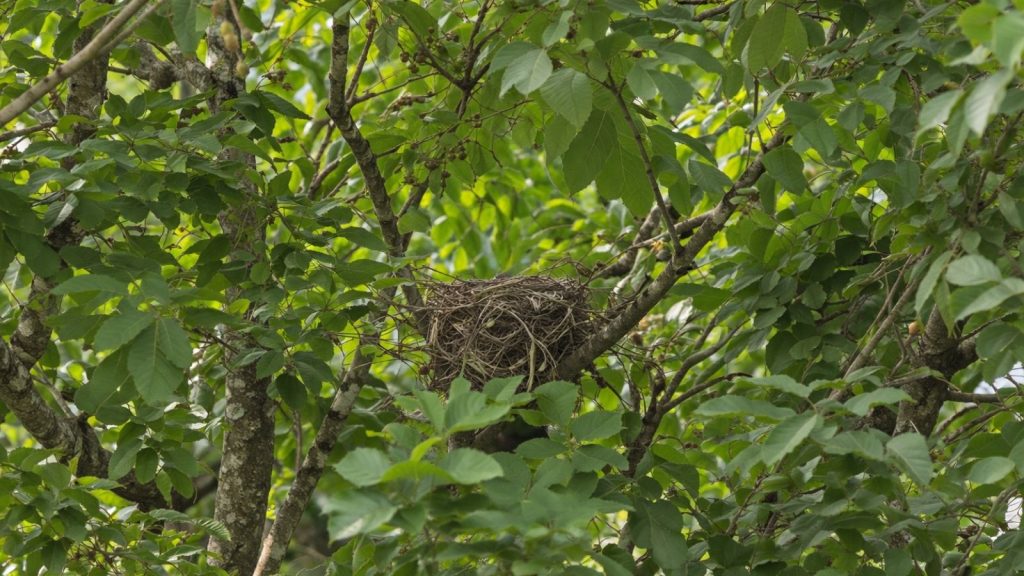
If you’ve ever spotted a bird’s nest in your garden, you might have wondered how long baby birds stay in the nest.
Most baby birds stay in the nest for 10 to 21 days, but there’s more to the story. Each species grows at its own pace, and things like weather and food can affect when chicks are ready to leave.
This guide explains how long baby birds stay in the nest, what happens as they grow, and what to do if you find one.
How Long Do Baby Birds Stay in the Nest?
The time baby birds spend in the nest depends mainly on their species:
- Small garden birds (robins, sparrows, blue tits): 10–14 days.
- Medium-sized birds (blackbirds, starlings): 12–21 days.
- Larger birds (pigeons, crows): 2–3 weeks.
- Birds of prey (owls, hawks): 4–10 weeks.
These timeframes cover the nestling period, when chicks live in the nest and rely completely on their parents.
After leaving the nest, chicks enter a new stage, but they still aren’t fully independent.
The 3 Key Stages of Baby Bird Development
Knowing these stages helps you understand why chicks leave the nest when they do.
1. Hatchling Stage (0–3 Days)
Newly hatched birds are:
- Blind
- Featherless
- Unable to regulate body temperature
At this stage, they depend completely on their parents for warmth and food, and they are very vulnerable.
2. Nestling Stage (3–14+ Days)
This is the main growth phase:
- Eyes open.
- Feathers begin developing.
- Rapid weight gain.
- They are fed often, sometimes as much as every 10 to 20 minutes.
Nestlings stay in the nest the whole time and cannot survive outside of it.
3. Fledgling Stage (After Leaving the Nest)
Once chicks leave the nest, they become fledglings:
- They have feathers but may not fly well.
- Often seen hopping on the ground or low branches.
- Still fed and protected by parents.
This stage usually lasts one to three weeks after chicks leave the nest.
Why Do Baby Birds Leave the Nest Before They Can Fly?
Leaving the nest early might seem risky, but it actually helps chicks survive.
Here are some reasons why birds leave the nest when they do:
Avoiding Predators
A nest with many growing chicks can attract predators. Leaving early lowers the chance that all the chicks will be found.
Learning to Fly
Chicks learn to fly more quickly outside the nest, where they have more space to practice.
Encouraging Independence
Parents still feed fledglings, but slowly encourage them to start finding food themselves.
Factors That Affect How Long Baby Birds Stay in the Nest
Not all birds follow the exact same timeline. Several factors can influence development:
1. Species Type
This is the main factor. Smaller birds grow up faster, while larger birds need more time.
2. Weather Conditions
Cold or rainy weather can slow down growth, so chicks might stay in the nest longer.
3. Food Availability
If there’s plenty of food, chicks can grow faster and leave the nest sooner.
4. Safety of the Nest Location
Birds with safer nests might stay a bit longer than those in more open spots.
Common UK Garden Birds and Their Nesting Times
If you’re in the UK, here are some typical timelines you might observe:
- Robin chicks: ~13 days in the nest
- Blue tit chicks: 16–18 days
- Blackbird chicks: 13–14 days
- House sparrows: 14–16 days
You’ll often see these birds in gardens, so it’s common to spot fledglings during spring and early summer.
What Should You Do If You Find a Baby Bird?
It can be worrying to find a baby bird, but most of the time, it’s perfectly normal.
Leave It Alone If:
- It has feathers (fledgling).
- It’s moving or hopping.
- There are no visible injuries.
The parents are almost always close by.
Help Only If:
- The bird is injured.
- It’s featherless (a nestling) and out of the nest.
- You’re sure the parents haven’t returned.
If it’s a nestling, you can gently put it back in the nest. Despite what many people think, birds won’t reject babies that have been touched by humans.
Check out our full guide on What To Do If You Find A Baby Bird In Spring to learn more.
Frequently Asked Questions
How long do baby birds stay in the nest before flying?
Most baby birds leave the nest before they can fully fly, usually 10 to 21 days after hatching, depending on the species.
Do baby birds return to the nest after leaving?
No, once baby birds leave the nest, they don’t go back. They usually stay close while their parents keep feeding them.
How long do parents feed fledglings?
Parents usually feed fledglings for one to three weeks after they leave the nest, depending on the species.
Is it normal to see baby birds on the ground?
Yes, this is a normal part of the fledgling stage. Unless the bird is hurt, it’s best to leave it alone.
Start Here: Your Birdwatching Journey
If you’re new to birdwatching or want to learn more about bird behaviour, nesting, and identifying common species, visit our Start Here page. It guides beginners through everything from spotting garden birds to understanding their life cycles and seasonal changes.
Final Thoughts
So, how long do baby birds stay in the nest? For most, it’s just a couple of weeks, but in that short time, they grow and change a lot.
Finding a baby bird outside the nest can be worrying, but it’s usually a normal and important part of its growth. By learning about these stages, you can watch wildlife with confidence and know when to help and when to let nature take its course.