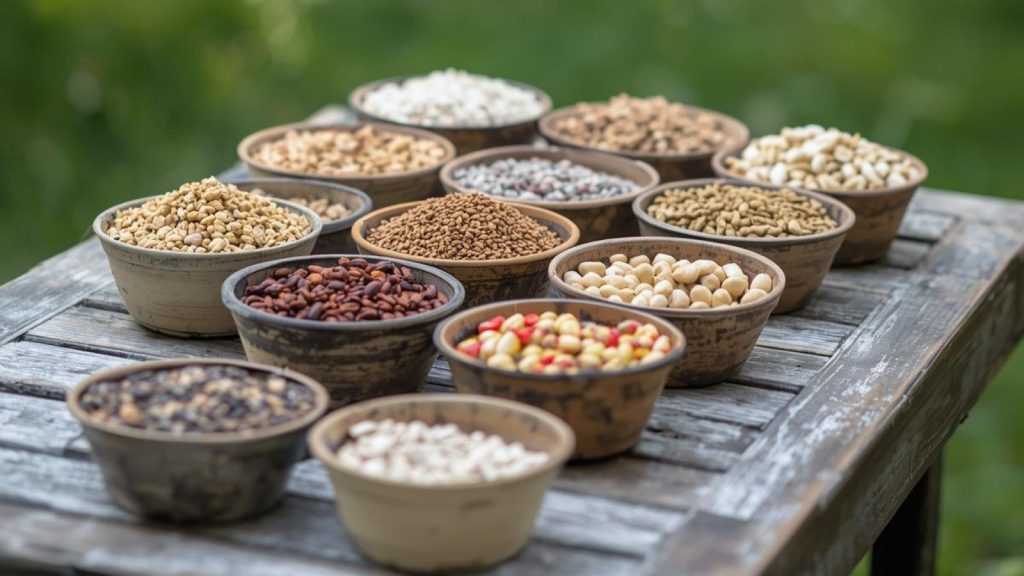
What to Feed Garden Birds
Choosing the right bird food is a very important part of feeding garden birds in the UK. All birds have different needs, and providing suitable food helps attract a variety of species into your garden.
This page explains the best bird foods for UK garden birds, where to place them, and which foods you should avoid.
Why Bird Food Matters
Bird food supplements the natural diet of garden birds, particularly when insects, seeds, and berries are in short supply. With fewer natural feeding opportunities available, the food we provide can make a real difference to bird survival.
Providing high-quality bird food can:
- Help birds survive winter and harsh weather.
- Support birds during breeding season.
- Encourage more bird species into your garden.
- Improve overall bird health.
Feeding birds responsibly starts with understanding which foods are suitable.
If you’re completely new to feeding garden birds, it can feel a bit overwhelming at first. Our Beginner’s Guide to Feeding Birds walks you through everything you need to know, from choosing the right food to placing feeders safely, so you can start helping birds with confidence.
Understanding the Diet of Garden Birds
Garden birds eat seeds, insects, berries, and fats. Some like soft foods; others prefer seeds or nuts.
Offering a variety of bird food allows different species to feed comfortably and reduces competition at feeders.
Types of Bird Food for Garden Birds
Mixed Bird Seed
Mixed bird seed is one of the most commonly used foods for garden birds. High-quality mixes usually contain:
- Sunflower seeds or hearts
- Millet
- Small seeds
Avoid cheap mixes packed with filler; most birds ignore them.
Sunflower Seeds and Hearts
Sunflower seeds and sunflower hearts are among the best foods for garden birds.
They attract:
- Tits
- Finches
- Sparrows
Sunflower hearts are particularly popular as they are easy to eat and create less mess.
Fat Balls and Suet
Fat balls, suet blocks, and fat pellets provide high-energy food that is especially valuable during colder months.
They are popular with:
- Tits
- Woodpeckers
- Starlings
Always remove plastic nets from fat balls to prevent injury.
Peanuts for Birds
Peanuts are nutritious for birds if offered correctly.
- Only use unsalted, bird-safe peanuts.
- Feed peanuts through a wire-mesh feeder.
- Never offer loose peanuts during the breeding season.
When used properly, peanuts attract many seed-eating birds.
Mealworms for Garden Birds
Live and dried mealworms give garden birds valuable protein.
They are especially attractive to:
- Robins
- Blackbirds
- Nesting birds
Dried mealworms should be soaked in water before feeding to make them easier to digest.
Not all bird food is the same, and price alone doesn’t always show the difference. Budget mixes might look like a good deal, but premium blends usually have better ingredients, more balanced nutrition, and a wider variety of seeds. If you’re wondering whether it’s worth spending more for your birds, our guide explains the differences. Check out Cheap vs Premium Bird Food: Is There a Difference? to see what you’re really getting and how to pick the best food for your flock.
If you want to bring more birds to your garden, picking the right food is important. Bird seed is a popular choice, but suet is a high-energy option that birds love, especially when it’s cold. Wondering which one is better for your garden birds? Our guide on Suet vs. Bird Seed can help you decide what’s best.
Properly storing bird food is vital to a healthy garden; if it is not stored well, it can lead to stale seeds, mould, or nutrient loss. This can affect the health and enjoyment of your garden birds. Learn practical tips in our guide on How to Store Bird Food to Keep It Fresh, so your bird food stays safe, tasty, and nutritious for longer.
Foods You Should Never Feed Birds
Avoid giving harmful foods to garden birds.
Never feed birds:
- Bread, especially white bread.
- Salted foods.
- Milk or dairy products.
- Processed human food.
Feeding unsuitable food can cause serious health problems.
Many people like to share leftovers such as bread with birds, but it’s important to know whether this helps or harms them. If you’ve ever wondered if bread is safe or healthy for your garden birds, we take a deeper look in our guide Is Bread Bad For Garden Birds? We explain the possible risks and suggest better options to keep your garden birds happy and healthy.
Feeding Garden Birds Throughout the Year
Bird food changes with the seasons, making it important to make the necessary adjustments when needed.
- Winter: High-energy foods such as fat and seeds.
- Spring: Protein-rich foods to support breeding.
- Summer: Moderate feeding and plenty of fresh water.
- Autumn: Foods that help birds build fat reserves.
Once you start feeding birds, consistency is important.
In winter, it’s harder for birds to find food, so they need high-energy, high-fat options to stay warm and make it through cold nights. If you’re not sure which seeds, suet blends, or specialty mixes are best, check out our guide to The Best Bird Food For Winter Feeding.
Summer is a great time to watch birds in your garden, but their food needs can change as temperatures rise. Try offering hydrating seeds and energy-rich snacks to help your visitors stay healthy and active. If you want more advice on what to feed birds during the summer months, take a look at our Summer Feeding Tips to get the most out of your birdwatching.
How Much Bird Food Should You Put Out?
It’s better to offer small amounts of fresh food regularly than large quantities that may spoil.
- Refill feeders little and often.
- Remove uneaten or wet food.
- Adjust quantities based on bird activity.
This helps keep feeding areas clean and safe.
Offering too little, the birds might not get enough energy. If you put out too much, leftover seed can attract pests or go to waste. Our guide, How Much Bird Food Should You Put Out Daily?, explains the best portions for different birds and feeders so you can keep your backyard birds happy and healthy.
Using Bird Food with the Right Feeders
Different bird foods work best with different feeders.
For example:
- Seeds work well in seed feeders.
- Fat products suit fat feeders.
- Peanuts require mesh feeders.
- Mealworms can be offered in dishes or trays.
Matching food to a feeder helps birds feed safely and efficiently.
Related Guides
To get the most from your bird feeding setup, explore these guides:
- Bird Feeders: Learn which feeders suit different foods and birds
- Garden Birds: A beginner’s guide to feeding and attracting birds
Together, these guides form the foundation of responsible bird feeding.
Final Thoughts
Providing the right bird food is one of the simplest ways to support UK garden birds. By choosing suitable food, avoiding harmful items, and feeding birds responsibly year-round, you can create a wonderful place for birds to visit.