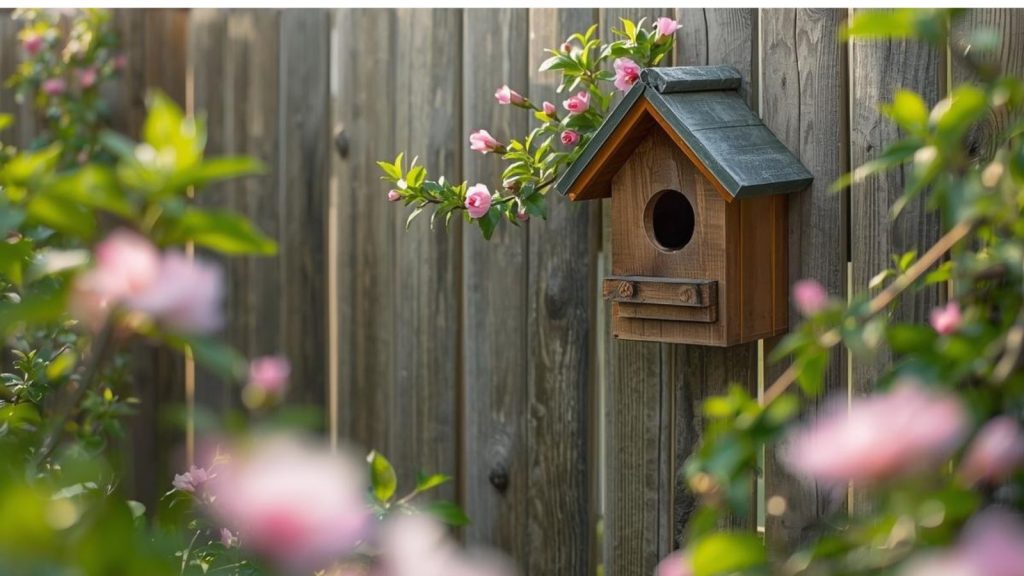
Creating a garden that supports nesting birds is a rewarding way to help local wildlife. Many common UK garden birds depend on gardens for food, shelter, and safe spots to raise their young. As natural habitats such as hedgerows and woodland edges disappear, gardens are becoming increasingly important for birds.
With a few simple changes, you can make your garden a safe place for birds to nest. Whether it’s planting dense shrubs, putting up nest boxes, or leaving natural materials around, there are easy ways to give birds the shelter they need during breeding season.
This guide shows you how to create safe nesting spots for garden birds and how small changes can make a real difference.
Why Shelter Is Important for Nesting Birds
Birds need safe places to build nests and raise their chicks. In the wild, they often use tree holes, thick hedges, dense ivy, or tangled plants.
But many modern gardens remove these natural spots through heavy pruning, fencing, and landscaping. Without good nesting sites, birds can find it hard to breed successfully.
Providing shelter helps birds:
- Protect eggs and chicks from predators.
- Stay hidden from strong winds and heavy rain.
- Build stable nests that won’t easily fall apart.
- Raise multiple broods during spring and summer.
The main nesting season for birds usually runs from March to August, though some species start earlier in mild winters.
Creating safe nesting spaces in your garden helps birds feel secure enough to settle and raise their young.
Plant Dense Shrubs and Native Hedging
One of the best ways to create natural nesting spots is by planting dense shrubs and hedges. Many birds like to build nests deep in thick leaves where predators can’t easily get to them.
Native plants are especially helpful because they support the insects, berries, and seeds that birds need for food.
Some excellent hedging and shrub choices include:
- Hawthorn
- Blackthorn
- Holly
- Dog rose
- Hazel
- Elder
- Field maple
These plants grow thick branches and leaves, making natural hiding spots for nests.
Dense hedges can attract a wide variety of birds that prefer concealed nesting spots. Robins, wrens, blackbirds, and dunnocks often choose low shrubs or thick hedges for their nests.
Allowing part of your garden to grow a little more naturally can also help. Leaving areas slightly wild with tall grasses, brambles, or ivy provides additional shelter and nesting opportunities.
Install Bird Nest Boxes
Natural nesting spots, such as holes in old trees, are becoming rare. Installing nest boxes is one of the easiest and most effective ways to help birds find safe places to nest.
Different species prefer different types of nest boxes.
Small Hole Nest Boxes
These boxes have small entrance holes designed for species such as:
- Blue tits
- Great tits
- Coal tits
- House sparrows
Entrance holes are usually 25mm or 32mm in diameter, depending on the species.
Open-Fronted Nest Boxes
Some birds prefer open-fronted boxes rather than small entrance holes.
These are ideal for species such as:
- Robins
- Wrens
- Pied wagtails
These birds often nest in sheltered spots like sheds, dense vegetation, or wall cracks, so open-front boxes mimic those natural places.
Best Places to Put Nest Boxes
Placing nest boxes in the right spots makes it much more likely that birds will use them.
Here are some helpful tips:
- Mount boxes 2–4 metres above the ground.
- Face the entrance north or east to avoid strong sunlight and rain.
- Keep boxes away from busy feeders.
- Place them where cats cannot reach them easily.
It’s best to put up nest boxes in autumn or winter because birds might use them for shelter during cold weather before nesting season starts.
Provide Natural Nesting Materials
Birds gather a surprising variety of materials when building nests. Many species use layers of twigs, moss, feathers, grass, and even animal fur to construct their nests.
You can help by leaving natural materials available in your garden during spring.
Useful nesting materials include:
- Small twigs
- Moss
- Dry grass
- Fallen leaves
- Pet fur (from brushing dogs or cats)
- Sheep wool
Some gardeners put these materials in a small basket or mesh feeder in early spring. Birds often come back again and again to gather what they need for their nests.
Avoid synthetic fibres, plastics, or treated materials, as they can harm birds and their chicks.
Create Quiet and Undisturbed Areas
Birds like to nest where they feel safe from disturbance. Gardens with quiet corners are much more inviting to nesting birds.
You can help encourage nesting by:
- Leaving a section of the garden less frequently used.
- Avoiding heavy pruning during nesting season.
- Allowing hedges to grow thicker before trimming.
- Keeping pets away from known nesting areas.
It is also important to remember that disturbing active nests is illegal under wildlife protection laws, so always check carefully before cutting hedges or shrubs during spring and summer.
Provide Water and Food Nearby
Nesting birds need lots of food and water to raise their chicks. Parents may make hundreds of trips each day to feed their young.
Having food and water nearby makes your garden even more attractive for nesting birds.
Helpful features include:
- Shallow bird baths for drinking and bathing.
- Plants that attract insects, such as lavender, buddleia, and wildflowers.
- Bird feeders with seed, suet, or mealworms.
While adult birds often eat seeds and berries, many chicks rely heavily on insects during their early development. A wildlife-friendly garden full of pollinators and insects naturally supports this process.
Protect Nesting Birds from Predators
Predators are a natural part of the ecosystem, but you can take steps to lower the risk to nesting birds in your garden.
Common predators include:
- Cats
- Grey squirrels
- Magpies
- Jays
You can improve nest safety by:
- Installing predator guards or baffles on nest box poles.
- Placing boxes away from climbing plants or fences.
- Avoiding locations where predators can perch directly nearby.
Dense plants and thick hedges also provide birds with extra cover and places to escape if predators approach.
Leave Ivy and Climbing Plants
Climbing plants are often overlooked but can offer great shelter for nests.
Plants like ivy grow thick leaves year-round. This makes them especially useful for nesting birds because they protect against the weather and predators.
Birds commonly use ivy-covered walls and trees for nesting and roosting, including:
- Wrens
- Blackbirds
- Robins
- Wood pigeons
Leaving ivy in place where possible can significantly increase the number of sheltered nesting spots in your garden.
Make Your Garden Bird-Friendly All Year
Helping nesting birds is just one part of making a wildlife-friendly garden. By providing shelter, food, and water year-round, you can help birds survive both the breeding season and cold winters.
Simple things like native plants, nest boxes, and water sources can turn even a small garden into an important refuge for local birds.
If you’re new to attracting birds, our Start Here page covers the basics—from picking the right feeders to making a garden that birds visit all year. It’s a great place to start if you want a thriving bird-friendly garden.
Final Thoughts
Putting up nesting boxes is one of the best ways to support wildlife in your garden. By planting dense shrubs, adding nest boxes, leaving natural materials, and creating quiet spots, you can give birds a safe place to raise their young.
Over time, these changes can attract more bird species, turning your garden into a lively place full of birdsong and activity.
Even small UK gardens can make a big difference. With the right shelter and resources, your garden can become an important sanctuary for nesting birds.