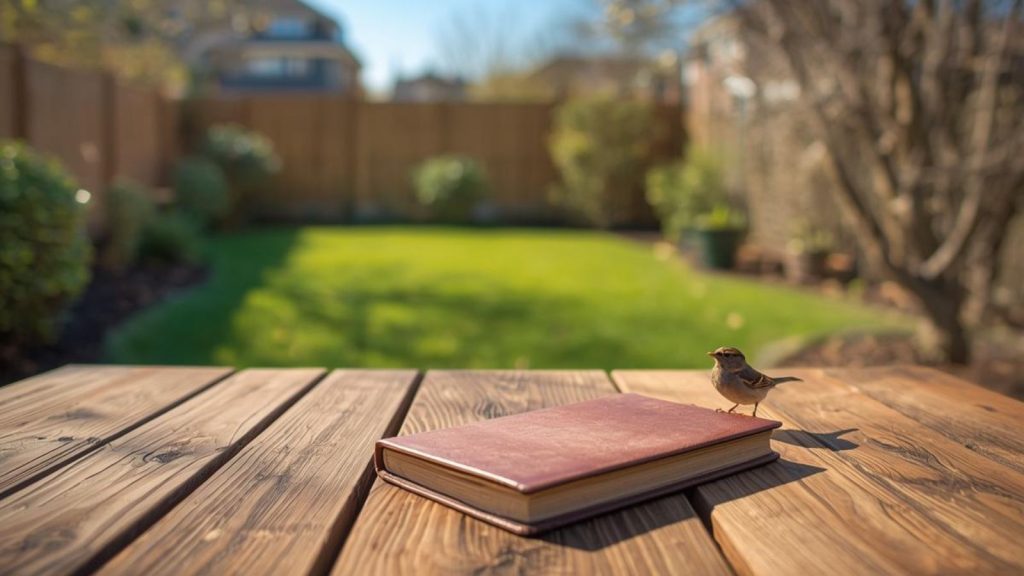
Watching birds in your garden is an easy and enjoyable way to connect with nature. Whether you have a big yard, a small patio, or just a window, keeping a bird journal can help you become better at identifying birds and appreciate local wildlife even more.
This guide will show you how to start a bird journal, what to write down, and which journals are best for watching birds in your backyard.
Why Keep a Garden Bird Journal?
A bird journal helps turn simple sightings into valuable observations. Instead of just seeing a robin or goldfinch, you start to notice patterns like these:
- Seasonal migrations.
- Feeding habits.
- Nesting behaviours.
- Weather-related activity.
- Year-over-year changes.
Keeping a birdwatching journal about your garden also helps you get better at identifying birds. When you write down details like feather colours, beak shape, song patterns, and behaviour, you pay closer attention to what you see.
As you keep adding notes, your journal becomes your own field guide for your garden.
What to Include in Your Birdwatching Journal
When you start your garden bird journal, keep your entries simple and try to write regularly. Here’s what you can include:
1. Date and Time
Birds can act very differently depending on the time of day and the season.
2. Weather Conditions
Things like temperature, wind, and rain can change how birds feed and how easy they are to spot.
3. Species Observed
Write down the bird’s common name, and the scientific name if you know it.
4. Number of Birds
Note if you saw just one bird or a whole group.
5. Behaviour Notes
Were they feeding, bathing, nesting, calling, or chasing each other, singing?
6. Sketches (Optional but Powerful).
Even quick, simple sketches can help you notice more details.
It’s better to write a quick note every day than to wait for the perfect entry. Being consistent is more important than perfection.
Choosing the Best Journal for Birdwatching
You don’t need anything special to get started, but having the right journal can help you keep up the habit. Here are some good options:
Guided Birdwatching Journals (Best for Beginners)
These include prompts for:
- Species
- Habitat
- Weather
- Behaviour notes
These are great if you’re starting and want some guidance.
Recommended: My Bird Watching Journal: A Birdwatching Log Book for Birders & Bird Watchers
A journal for beginners for daily sightings and seasonal tracking.
Waterproof Field Journals (Best for Outdoor Use)
If you often spend time outside watching birds, a weatherproof journal is a good idea.
Recommended: Rite in the Rain Weatherproof Field Notebook
Durable, compact, and perfect for all seasons.
Classic Blank Nature Journals (Best for Sketchers)
If you like drawing birds or writing detailed notes, a blank dotted or lined journal works well.
Recommended: Stationary Island A5 Unlined Blank Notebook
High quality paper for writing and sketching.
How to Make Bird Journaling a Daily Habit
It’s easy to start, but keeping up the habit takes some effort.
Here’s how to make it part of your routine:
- Keep your journal near a window or back door.
- Pair journaling with your morning coffee.
- Spend 5 minutes observing daily.
- Review entries weekly to notice patterns.
Even quick notes add up over time and help you track the birds in your area.
Seasonal Bird Journaling Tips
Spring
Track nesting behaviour and migrating species returning.
Summer
Record fledglings and feeding frequency.
Fall
Watch for migration flocks and shifting species.
Winter
Note feeder activity and cold-weather adaptations.
As you keep journaling, you’ll create a complete picture of the birds in your garden throughout the year.
Garden Bird Journal Prompts to Get Started
If you’re not sure what to write, try these ideas:
- What was the first bird I saw today?
- What sounds did I hear before I saw movement?
- Which feeder was most active?
- Did any species interact?
- What surprised me? Using simple prompts can make journaling much easier.
Start Your Garden Birdwatching Journey
If you’re starting with birdwatching, remember that your journal is only part of the experience. Setting up feeders, creating a good habitat, and learning basic bird identification also help a lot.
Our Start Here page explains how to attract birds naturally and gives beginner tips to help you create a bird-friendly garden.
Final Thoughts: Your Garden Is a Living Field Guide
A garden bird journal helps you turn everyday bird sightings into a meaningful record of nature. In just a few months, you’ll start to notice returning birds, changes with the seasons, and small behaviors that others might miss.
All you need is a notebook, a little quiet time, and some curiosity.