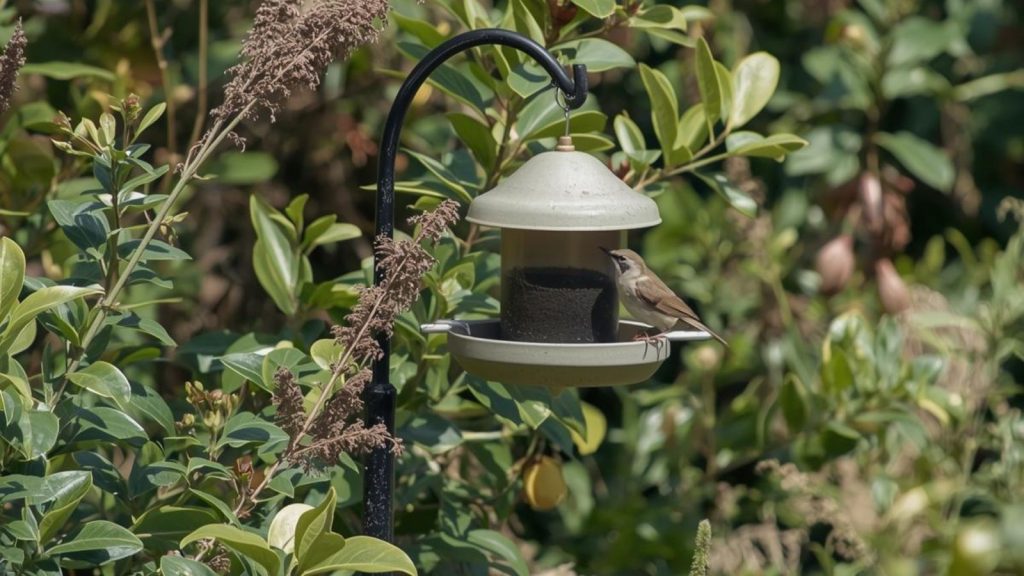
Spring is a busy and vital time for garden birds. As the days get longer and warmer, birds start building nests, laying eggs, and feeding their chicks. Giving them the right food and keeping feeding stations clean can really help local bird populations stay healthy.
If you often see robins, blue tits, blackbirds, or house sparrows in your garden, these spring feeding tips will help you support nesting birds.
Why Spring Feeding Matters for Garden Birds
Nesting season takes a lot of energy. Parent birds need to:
- Build and defend nests.
- Lay and incubate eggs.
- Feed fast-growing chicks.
- Maintain their own strength.
Early spring weather can be unpredictable, and there may not be many insects around yet. Extra feeding helps make up for this shortage.
Best Foods for Garden Birds in Spring
Not all bird food is good for the nesting season. Chicks need soft, protein-rich food, so it’s essential to choose the right options.
High-Quality Seeds
- Black sunflower seeds: high in oil and easy for birds to eat.
- Sunflower hearts: less mess and great for smaller birds.
- Nyjer seed: a favourite of goldfinches.
Protein-Rich Options (Especially Important)
- Dried or live mealworms: excellent for robins, blackbirds, and tits feeding their chicks.
- Soft suet pellets: choose spring blends that do not melt easily.
Do not use whole peanuts in mesh bags during nesting season, because large pieces can be a choking risk for chicks. If you want to offer peanuts, use a proper peanut feeder and make sure they are aflatoxin-tested and unsalted.
Top Garden Birds You’ll See Nesting
Spring feeding supports many well known species, including:
- Robin
- Blue tit
- Great tit
- Blackbird
- Dunnock
- House sparrow
- Goldfinch
- Woodpigeon
Each bird species likes different foods, so giving a variety of food types will help you attract more birds to your garden.
Keep Feeders Clean and Safe
Warmer spring weather can make it easier for bacteria to spread between birds. Clean your feeders every one to two weeks with warm, soapy water, and let them dry completely before refilling.
Also:
- Clear away damp seed from the ground.
- Move feeders occasionally to prevent waste build-up.
- Space multiple feeders apart to reduce crowding
Choosing the Right Bird Feeder for Your Garden
Different types of bird feeders attract a range of birds and help reduce food waste. Tube feeders work well for tits and finches. Ground or platform feeders are good for robins and blackbirds. Suet cages are great for woodpeckers and nuthatches.
If you are not sure which feeder is best for your garden, our Bird Feeder page explains the different types, where to place them in gardens, and how to match feeders to the birds you want to attract.
Don’t Forget Fresh Water
Giving birds clean water is just as important as feeding them during nesting season. A shallow bird bath lets birds drink, bathe, and keep their feathers healthy.
Change the water every day and place bird baths near shrubs so birds can quickly find shelter if needed.
Support Birds Naturally This Spring
Feeding birds is only one way to make your garden bird-friendly. Planting native plants, growing hedges, and making space for insects will give birds natural food and places to nest, which works well with your feeders.
By giving the right food, keeping feeders clean, and providing water, you can help garden birds thrive during nesting season. You will also enjoy a lively and colourful garden all spring.