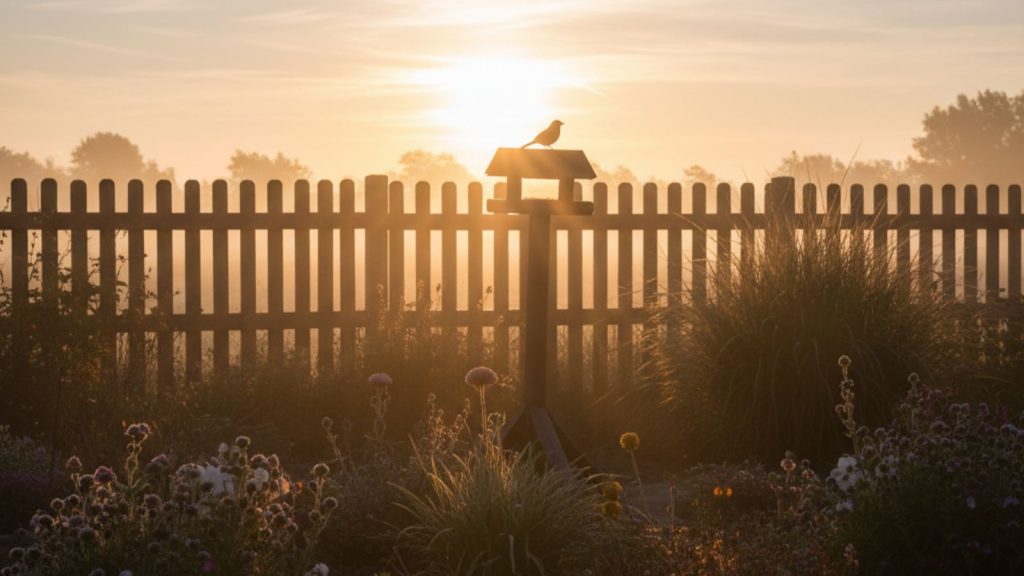
Feeding garden birds is essential year-round. In summer, especially during heatwaves, dry periods, and breeding season, birds need more support. Warmer weather means you need to adjust the bird food you offer and how often you clean the feeders.
This guide covers what to feed birds in warmer weather, what not to feed them, and how to keep garden birds safe and healthy throughout the summer months.
Why Summer Feeding Matters
During the warmer months of the year, adult birds are:
- Raising multiple broods.
- Foraging constantly for high-protein food.
- Competing for natural resources.
- Facing dehydration during hot spells.
In early summer, insects are easy to come by, but long dry spells can drive worms and grubs deeper underground. Offering suitable food helps support birds like:
- Blue tits
- Great tits
- Robins
- Blackbirds
- House sparrows
- Starlings
- Finches
Supplementary feeding can help more fledglings survive during the long summer days.
What’s Safe to Feed Birds in Hot Weather?
Not all bird food holds up in hot weather. Some types melt, spoil, or grow bacteria quickly. Here are the best options for summer.
1. High-Quality Seed Mixes
A good summer seed mix should include:
- Sunflower hearts
- Kibbled peanuts
- Millet
- Pinhead oats
Stay away from cheap mixes with fillers like whole wheat or lots of barley, since most birds won’t eat them.
Why it’s good in summer:
Seed stays fresh in warm weather and won’t spoil quickly if you keep it dry.
2. Sunflower Hearts
Sunflower hearts are safe and very popular for feeding birds in summer.
- No husks = less mess.
- High energy.
- Easy for fledglings to eat.
- They won’t sprout in your flower beds.
These seeds attract finches, tits, robins, and sparrows.
3. Mealworms (With Care)
Live or dried mealworms are great during breeding season because they’re high in protein.
Important tips:
- Soak dried mealworms in water before feeding.
- Offer in small quantities.
- Remove uneaten worms daily.
- Avoid leaving them in direct sunlight.
Avoid letting mealworms dry out or go bad in hot weather.
4. Fresh Water (Essential in Heatwaves)
Water is even more important than seed in the summer.
Provide:
- A shallow bird bath.
- Clean drinking water.
- Daily water changes.
- Shaded placement where possible.
Staying hydrated is vital for garden birds, especially for young fledglings.
Foods to Avoid in Hot Weather
Some foods can be risky for birds when it gets hot.
Fat Balls and Suet (In Direct Sun)
Suet can:
- Melt
- Turn rancid
- Smear feathers
- Promote bacterial growth
If you give birds suet in summer, keep it in the shade and only offer a little at a time.
Peanuts in Mesh Bags
Whole peanuts can:
- Go mouldy in humid heat.
- It poses a choking risk to young birds.
Always use a proper peanut feeder and make sure the nuts are aflatoxin-tested and fresh.
Kitchen Scraps
Avoid:
- Cooked food.
- Bread (especially white bread).
- Salty or processed foods.
Kitchen scraps go off quickly in warm weather and can spread disease.
How to Prevent Disease in Summer
Hot weather increases the risk of bacterial infections, such as Salmonella and trichomoniasis.
Follow these summer hygiene rules:
- Clean feeders at least once per week (more during heatwaves).
- Rinse thoroughly and dry before refilling.
- Rotate feeder positions occasionally.
- Clear away wet or mouldy food immediately.|
If you see sick birds, stop feeding for a while and thoroughly clean all your equipment.
Should You Feed Birds During a Heatwave?
Yes, but you should change how you feed them.
During extreme heat:
- Reduce the quantity of food.
- Focus on seed rather than fat-based products.
- Prioritise fresh water.
- Keep feeders shaded.
- Clean more frequently.
Birds often feed early in the morning or later in the evening to avoid the hottest part of the day.
Supporting Fledglings in Summer
Many young birds leave the nest between May and August. Fledglings:
- Cannot crack hard seeds easily.
- Need soft, high-protein food.
- Depend on adults for feeding initially.
Best options:
- Sunflower hearts
- Soaked mealworms
- Soft seed mixes
Don’t give fledglings large, hard peanuts or dry dog food.
Create a Safe Summer Feeding Routine
A simple routine will help keep your garden birds healthy:
- Offer fresh seed in small amounts.
- Replace water daily.
- Clean feeders weekly.
- Keep feeding areas shaded.
- Store bird food in airtight containers.
Consistency is key and more important than how much you feed.
Choosing the Right Summer Bird Food
Choosing high-quality, fresh bird food helps reduce waste and prevent spoilage in the heat. If you’re not sure which seeds or protein options to choose, check out our Bird Food page, which covers everything from seed mixes and sunflower hearts to mealworms and seasonal feeding strategies to help support garden birds all year.
Final Thoughts: Feed Smart, Not Just Generously
Feeding birds in summer is safe and helpful if you do it right. Focus on:
- Freshness
- Cleanliness
- Shade
- Hydration
- Appropriate food types
With a bit of extra care in hot weather, your garden can stay a safe place for birds all summer long.