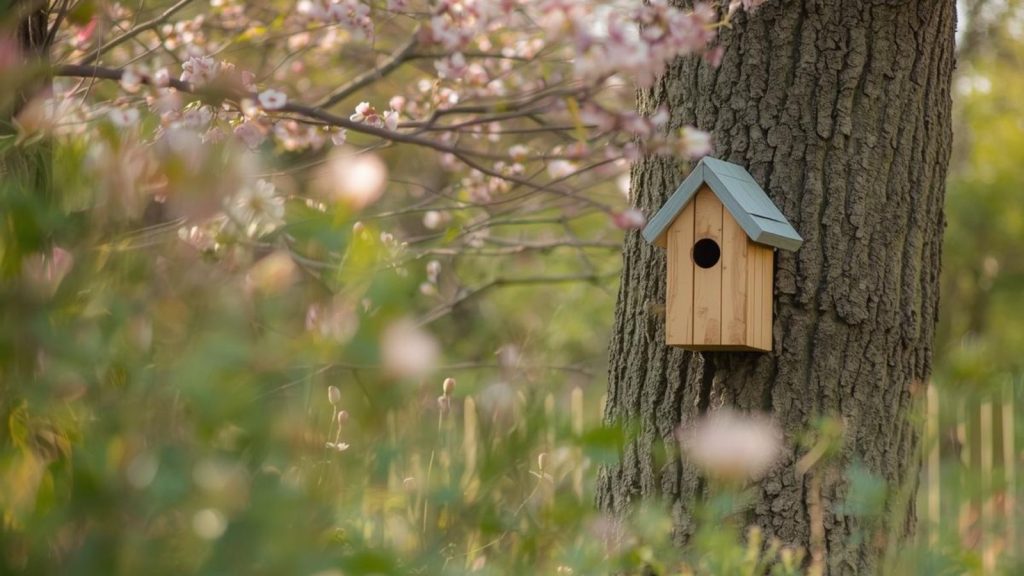
If you’re looking to attract more birds to your garden, putting up the right nest box is one of the best things you can do. Since different bird species have specific nesting needs, picking the right box can mean the difference between an empty home and a busy bird family.
This guide covers the main types of nest boxes, the birds they attract, how to place them properly, and useful tips to help you succeed in your garden.
Why Nest Boxes Matter
In the UK, natural nesting sites are becoming harder to find. Old trees, cavities, and thick hedgerows are disappearing due to urban development and garden tidying. Nest boxes help replace these lost habitats.
Providing a nest box:
- Supports declining bird populations.
- Offers protection from predators and harsh weather.
- Encourages birds to return year after year.
- Bring wildlife closer to your home.
A nest box placed in the right spot can become one of the most rewarding parts of your garden.
1. Small Hole Nest Boxes (28mm & 32mm Entrance)
These nest boxes are the most popular and commonly used in gardens as they attract a range of birds.
Best for:
- Blue tits
- Great tits
- Coal tits
- House sparrows
Key features:
- Small circular entrance hole.
- Compact, enclosed space.
- Designed to keep out larger birds and predators.
How to choose the right size:
- 28mm hole – Ideal for blue tits and coal tits.
- 32mm hole – Suitable for great tits and sparrows.
Tips for placing your nest box:
- Mount 2–4 metres high.
- Face between north and east.
- Avoid direct sunlight and prevailing rain.
Tip:
Add a metal hole protector to prevent squirrels and woodpeckers from enlarging the entrance.
2. Open-Fronted Nest Boxes
Some bird species prefer visibility and easy access rather than enclosed spaces.
Best for:
- Robins
- Wrens
- Pied wagtails
- Spotted flycatchers
Key features:
- Open or partially open front.
- Shallow interior.
- Often camouflaged or tucked into cover.
Placement tips:
- Position low (1–2 metres high).
- Hide within hedges or dense shrubs.
- Choose quiet, sheltered areas.
Important to note:
These boxes are more vulnerable to predators, so it is important to keep them safe by hiding them well.
3. Large Hole Nest Boxes (45mm Entrance)
Designed for larger cavity-nesting birds, these boxes provide more internal space and a wider entrance.
Best for:
- Starlings
- Great spotted woodpeckers
- Nuthatches
Key features:
- Larger entrance hole (around 45mm).
- Deep nesting chamber.
- Strong, durable construction.
Placement tips:
- Install at least 3–5 metres high.
- Fix securely to mature trees or buildings.
- Keep away from busy feeding areas.
Tip:
Starlings are in decline in the UK—installing bird boxes can make a real difference.
4. Sparrow Terrace Nest Boxes
House sparrows are social birds that prefer nesting in groups. A sparrow terrace mimics this natural behaviour.
Best for:
- House sparrows
Key features:
- Multiple nesting compartments
- Separate entrance holes
- Shared structure to encourage colony nesting
Placement tips:
- Install 2–3 metres high.
- Place under eaves or along walls.
- Choose a quiet but accessible area.
Tip:
Sparrows are more likely to settle if there are at least two compartments since single boxes are often overlooked.
5. Swift Nest Boxes
Swifts are one of the UK’s most iconic summer visitors, but they are in serious decline due to the loss of nesting sites.
Best for:
- Swifts
Key features:
- Long, narrow internal design.
- Small horizontal entrance slit.
- Installed high on buildings.
Placement tips:
- At least 5 metres above ground
- Under eaves or rooflines
- Clear flight path (no nearby obstacles)
Important to note:
Swifts spend most of their time flying and only land to nest. Once they start using a nest box, they often come back year after year.
6. Owl and Kestrel Boxes
If you have a large garden, farmland, or access to rural surroundings, larger bird of prey boxes can be incredibly rewarding.
Best for:
- Barn owls
- Tawny owls
- Kestrels
Key features:
- Large, deep nesting space.
- Wide entrance or open-front design (depending on species).
- Built for durability and insulation.
Placement tips:
- Install high in trees or on buildings.
- Face away from prevailing winds.
- Ensure minimal human disturbance.
Tip:
These boxes require more patience than normal boxes, as birds of prey may take a while to find and trust them.
7. Specialist Nest Boxes
Some birds have unique nesting requirements that standard boxes don’t meet.
Examples include:
- House martin cups (mounted under eaves)
- Bat boxes (for conservation support)
- Treecreeper boxes (with side entrances)
Adding a variety of box types increases biodiversity and attracts a wider range of birds and wildlife into your space.
How to Choose the Right Nest Box
When choosing a nest box, keep these key points in mind:
1. Location
Different birds prefer different environments—trees, walls, hedges, or buildings.
2. Height
- Small birds: 2–4 metres.
- Open-fronted species: 1–2 metres.
- Swifts and raptors: 5 metres+.
3. Direction
Face your boxes north or east to keep them cool in summer and protected from harsh winter weather, such as heavy rain or strong winds.
4. Safety
Look for:
- Thick, untreated wood
- Predator guards
- Secure fixings
5. Timing
Install boxes in autumn or winter so birds can scout them before breeding season in spring.
Common Mistakes to Avoid
Even the best nest box won’t get used if it’s in the wrong spot.
Make sure to avoid:
- Placing boxes in direct sunlight.
- Mounting too low or exposed.
- Installing near busy feeders (can cause disturbance).
- Checking boxes too frequently during nesting season.
How to Maintain Your Nest Box
To keep your nest boxes safe and inviting :
- Clean them out once a year (autumn).
- Remove old nesting material.
- Check for damage or loose fixings.
- Avoid using chemicals; boiling water works well.
Regular upkeep helps prevent parasites and ensures birds return every year.
Final Thoughts
Adding nest boxes to your garden is one of the easiest and most effective ways to help local wildlife. Picking the right kind and placing it well can turn your outdoor space into a safe home for birds.
Whether you begin with one small box or build a full bird-friendly garden, every step helps protect the bird population.
Start Here: Your Beginner’s Guide
If you’re new to attracting birds, it’s important to start with the basics before adding nest boxes. Knowing what birds need—food, water, shelter, and safety—will greatly boost your chances of success and make your garden more inviting to a wider range of bird species.
Our Start Here page walks you through everything from choosing the right bird food and feeders to seasonal tips and garden setup. Once you’ve covered the basics, you’ll be in the perfect position to introduce nest boxes and support birds all year round.