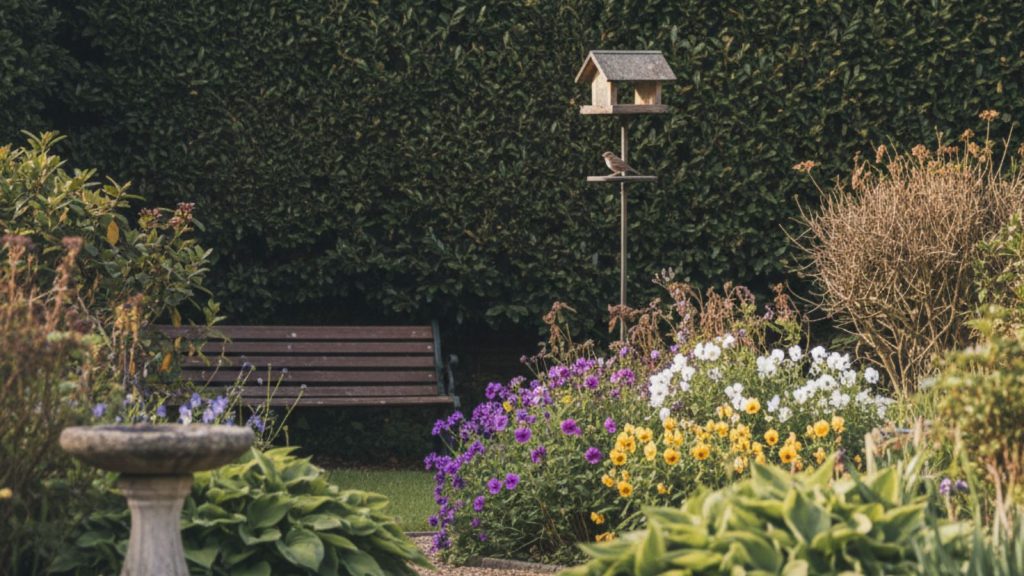
If you’ve been spending more time in your garden recently, you might have noticed more birds visiting than before. Although news often highlights declining wildlife, there’s some good news too—certain garden bird species in the UK are actually on the rise.
In this guide, we’ll look at which garden birds are increasing, why their numbers are growing, and how you can make your garden more inviting to them.
Why Are Some Garden Birds Increasing in the UK?
Not all birds react the same way to changes in their environment. While some struggle, others do well thanks to several factors:
1. Adaptability to Urban Life
Birds that can nest, feed, and raise young in urban areas usually do well. Gardens, parks, and even balconies provide steady food and shelter.
2. Rise in Bird Feeding
Feeding garden birds has become more popular across the country. This gives them a steady food supply, especially in winter when natural food isn’t as easy to find.
3. Milder Winters
Milder winters help more birds survive. Birds that used to struggle in tough conditions now have a better chance of reaching breeding season.
4. Conservation Awareness
Public campaigns and conservation efforts have helped protect habitats and encouraged people to support garden wildlife.
Garden Birds That Are Increasing
Here are some of the most notable success stories you’re likely to spot in your garden.
Goldfinch
The goldfinch is one of the UK’s biggest garden bird success stories. Once uncommon in many gardens, it is now a regular and often abundant visitor.
Why they’re increasing:
- Widespread use of nyjer seed feeders.
- More wildflower planting in gardens.
- Better awareness of bird-friendly gardening.
How to attract them:
- Use nyjer seed feeders.
- Grow plants like teasel and thistle.
- Provide multiple feeding stations (they often feed in groups).
Wood Pigeon
The wood pigeon has adapted exceptionally well to human environments and is now one of the most common birds in gardens.
Why they’re increasing:
- Extremely adaptable diet.
- The ability to nest in a variety of locations.
- Reduced hunting pressure in urban areas.
How to attract them:
- Scatter grains or seed mixes on the ground.
- Maintain open lawn spaces for feeding.
Blue Tit
A firm garden favourite, the blue tit continues to maintain strong, stable populations, with increases in many areas.
Why they’re increasing:
- Readily use nest boxes.
- Benefit from year-round feeding.
- Thrive in gardens with trees and shrubs.
How to attract them:
- Offer sunflower hearts and peanuts.
- Install nest boxes in quiet areas.
- Plant native vegetation for insects.
Great Tit
The great tit is another species doing well.
Why they’re increasing:
- Flexible diet (insects, seeds, and feeders).
- Strong breeding success.
- Good adaptability to changing environments.
How to attract them:
- Provide fat balls and peanuts.
- Ensure a consistent feeding routine.
- Include sheltered areas for nesting.
Collared Dove
The collared dove is a fairly recent arrival, but it has spread rapidly and is now widespread.
Why they’re increasing:
- Natural spread across Europe into the UK.
- Thrive in suburban and urban areas.
- It can breed multiple times per year.
How to attract them:
- Provide seeds and grains.
- Offer elevated perches or feeding platforms.
Magpie
Magpies are very intelligent, resourceful birds that are becoming increasingly common in gardens.
Why they’re increasing:
- Highly adaptable and opportunistic feeders.
- Strong survival skills.
- Successful breeding strategies.
Things to consider:
While fascinating, magpies can dominate feeding areas. Providing a variety of feeders can help smaller birds coexist.
Long-Tailed Tit
In recent years, long-tailed tits have been spotted more frequently in gardens, often arriving in small flocks.
Why they’re increasing:
- Milder winters are improving survival rates.
- Increased availability of garden feeding stations.
How to attract them:
- Provide suet and fat-based foods.
- Maintain shrubs and hedges for shelter.
Seasonal Trends: When You’ll See More Birds
Understanding bird behaviour throughout the year can help explain why numbers are on the rise.
- Spring: Breeding season increases activity and visibility.
- Summer: Young birds boost garden populations.
- Autumn: Birds gather in flocks and explore new feeding areas.
- Winter: Feeding stations become essential, concentrating bird activity in gardens.
Are All Garden Birds Increasing?
While it’s great news that some birds are thriving, not all species are doing well.
Certain birds have experienced declines in parts of the UK due to habitat loss, changes in food availability, and urban development.
This makes your garden even more important—it can provide critical support for both thriving and struggling species.
To find out more about which garden birds are decreasing, take a look at our guide Which Garden Birds Are Declining In The UK.
How to Support Increasing (and Declining) Bird Populations
Whether birds are increasing or not, your garden can play a vital role in supporting wildlife.
Provide a Variety of Food
Different birds prefer different foods:
- Seeds (sunflower, nyjer).
- Suet and fat balls.
- Mealworms.
Provide Water
Fresh, clean water is important for birds to drink and bathe year-round.
Plant for Wildlife
Pick native plants, shrubs, and trees that provide:
- Berries
- Seeds
- Insects
Create Shelter
Hedges, trees, and dense shrubs offer protection from predators and weather.
Install Nest Boxes
Many species rely on nest boxes, especially in urban areas where natural nesting sites are limited.
Start Your Garden Bird Journey
If you’re just getting started or want to attract even more birds to your garden, building the right foundation is key. From choosing the best feeders to understanding what to feed year-round, small changes can make a big difference.
Our Start Here page provides everything you need to know about attracting more birds, pick the right foods, and create a lively, bird-friendly garden from the ground up.
Final Thoughts
The rise in some garden birds shows that nature can adapt and that gardens really do matter. With the right food, shelter, and care, you can help these thriving birds and also support those that need a little extra help.
By making your garden friendlier to wildlife, you’re not just seeing more birds—you’re also helping conservation efforts.
So next time you see a flash of goldfinch yellow or hear a blue tit’s familiar call, you’ll know you’re part of a growing success story.