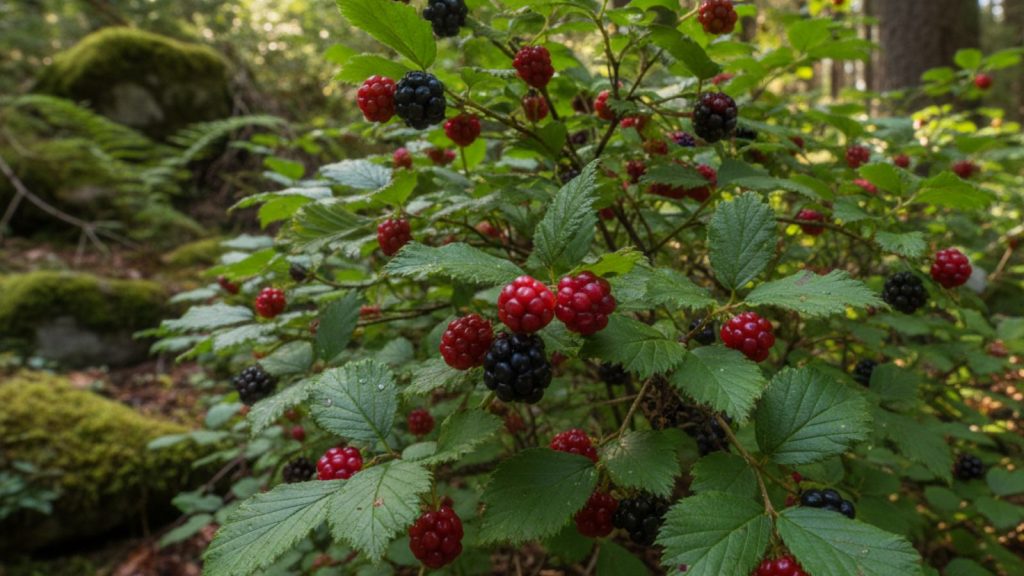
If you’ve seen a blackbird pulling at a ripe blackberry or a group of starlings clearing a holly bush, you know how much garden birds love berries. From late summer to winter, berries are one of the main natural foods in gardens.
So why do garden birds love blackberries and other berries so much, and how can you use berry plants to bring more wildlife into your garden?
1. Berries Provide Essential Energy
Berries like blackberries, elderberries, rowan, and holly are full of natural sugars and carbohydrates. For garden birds, especially in autumn and winter, this high-energy food is essential.
When it gets colder, birds need more calories to stay warm. The fat they get from eating berries can help them survive cold spells.
Species that particularly benefit include:
- Blackbirds
- Song thrushes
- Fieldfares
- Redwings
- Starlings
- Robins
Blackberries are especially helpful because they ripen in late summer and early autumn, giving birds a boost before the colder months arrive.
2. Blackberries Are Easy To Access
Unlike some decorative berries, blackberries grow on brambles that form a thick, thorny cover. This gives two main benefits:
- Food source: The fruit is soft, juicy, and easy for birds to eat.
- Protection – The thick bramble structure provides shelter from predators such as cats and sparrowhawks.
For shy birds, having a safe place to feed is very important.
3. Berries Support Migratory Birds
Many migratory birds use berries as a primary source of energy. Redwings and fieldfares rely on berry crops when they arrive.
If there aren’t many berries in a given year, these birds may leave quickly to find better food elsewhere. Planting berry-rich shrubs can help support these winter visitors in your area.
4. Natural Feeding Is Healthier
Bird feeders are helpful, but natural foods like berries offer:
- A wider range of nutrients
- Foraging opportunities that stimulate natural behaviour
- A safer feeding environment (reducing overcrowding at feeders)
Letting berries grow naturally in your garden helps create a healthier balance for wildlife.
5. Best Berry Plants for Garden Birds
If you want to bring more birds to your garden with berries, try planting:
- Blackberry (bramble) – Fantastic for wildlife, great cover
- Rowan (mountain ash) – Loved by thrushes
- Holly – Essential winter food
- Elder – Popular in late summer
- Pyracantha – Long-lasting autumn berries
- Cotoneaster – Excellent for smaller gardens
Native plants usually give the most help to local wildlife.
6. Berries Provide Winter Survival Food
By late winter, natural food is hard to find. Holly, ivy, and cotoneaster berries can persist into January and February, providing birds with a lifeline during harsh weather.
This is often when you’ll see increased bird activity in berry-bearing shrubs — they’re tapping into vital remaining reserves.
How to Create a Bird-Friendly Berry Garden
To get the most berries in your garden:
- Plant a mix of early, mid and late-fruiting species.
- Avoid heavy pruning that removes fruiting wood.
- Skip pesticides that may reduce insect life (an essential protein for chicks).
- Allow a small “wild” corner for brambles.
Even small gardens can grow berry shrubs in borders or pots.
If you’re beginning your journey to attract more garden birds, a simple, step-by-step approach can help. Our start here page helps with choosing the right plants, understanding seasonal feeding patterns, and getting the basics right make a big difference.
Final Thoughts
Blackberries and other berries aren’t just tasty snacks; they are a lifeline for garden birds. By planting berry shrubs and allowing some wild growth, you can turn your garden into an extra food source and a safe place for local wildlife.