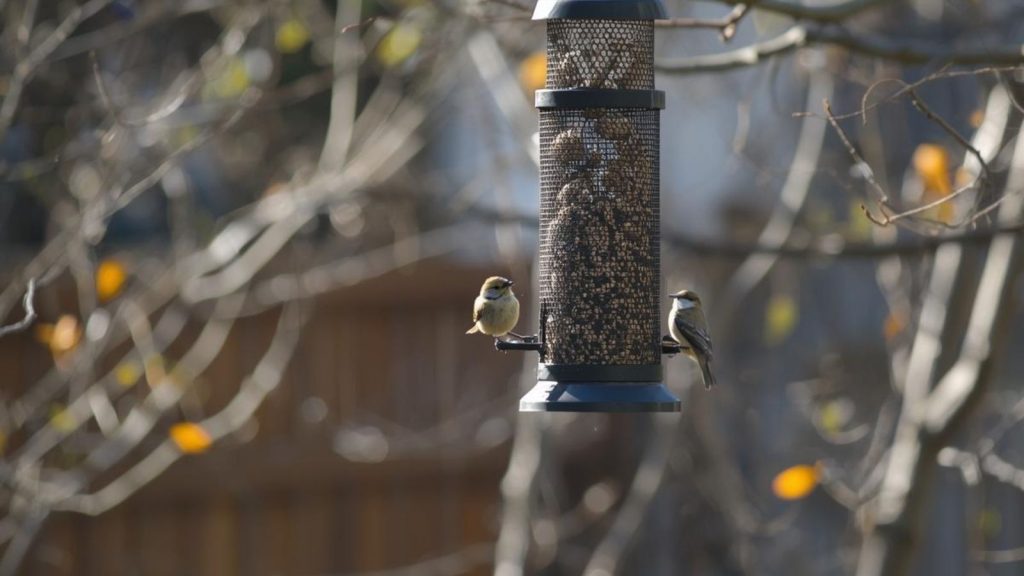
If you’ve tried feeding garden birds in the UK but nothing happens, or you’re unsure what to feed them, you’re not alone.
Many beginners give up too soon, thinking they’re doing something wrong. Feeding garden birds is actually simple, but a few small mistakes can keep birds away.
This guide will show you how to feed garden birds in the UK, what food works best, where to put feeders, and how to attract more birds to your garden, even if you’re just starting out.
Quick Start: The Easiest Way to Feed Garden Birds
If you want to see results quickly, start here:
- Use sunflower hearts (the most reliable bird food in the UK).
- Set up one feeder only to begin with.
- Place it near a tree or hedge for safety.
- Keep it topped up consistently.
This simple setup is often enough to start attracting birds within a few days.
Why Feeding Garden Birds in the UK Matters
Garden birds in the UK face increasing challenges, including habitat loss, fewer natural food sources, and unpredictable weather.
Feeding them can:
- Provide essential energy, especially in winter.
- Support birds during breeding season.
- Help young birds survive.
- Bring a wider variety of birds into your garden.
It’s also one of the easiest ways to connect with nature from home.
What to Feed Garden Birds in the UK
One of the most common questions beginners ask is: What is the best food for garden birds in the UK?
The answer is simple: start with the basics, then add more if needed.
1. Sunflower Hearts (Best Overall Choice)
If you only use one food, make it this.
- Attracts the widest range of UK garden birds.
- No husks = less mess.
- Easy for birds to eat.
Ideal for: tits, finches, robins, and more.
2. Mixed Seed
Mixed seed can work well, but quality matters.
- Avoid cheap mixes with filler grains.
- Look for blends with high sunflower content.
Poor-quality mixes are often ignored by birds and just create waste.
3. Fat Balls and Suet
These are excellent high-energy foods.
- Best during autumn and winter.
- Loved by blue tits, great tits, and woodpeckers.
Always choose fat balls without plastic nets.
4. Peanuts
- High in protein and energy.
- Only use unsalted, unroasted peanuts.
- Always use a proper feeder.
Keep in mind that peanuts can attract squirrels.
5. Mealworms
- Great for robins and blackbirds.
- Especially useful during breeding season.
6. Fruit
- Apples, pears, and berries work well.
- Attract thrushes and blackbirds.
If you’re not sure where to start, keep it simple and use sunflower hearts.
For a deeper breakdown of options, see our guide to the best bird food for UK gardens.
What NOT to Feed Garden Birds
Some foods can harm birds and should be avoided:
- Bread (low nutritional value).
- Salty foods.
- Milk.
- Processed human food.
When feeding garden birds in the UK, it’s safest to stick with natural, high-energy foods.
Where to Place Bird Feeders (Crucial for Success)
Feeder placement is one of the biggest factors in whether or not birds visit your garden.
For best results:
- Place feeders near shrubs, trees, or hedges.
- Avoid wide, open spaces where birds feel exposed.
- Keep feeders out of reach of predators, such as cats.
If birds don’t feel safe, they won’t use your feeder.
If you’re struggling, check out our guide on where to place bird feeders for the best results.
When to Feed Garden Birds in the UK
A common myth is that feeding birds is only important in winter.
In reality, feeding garden birds in the UK year-round is best.
- Winter: Helps birds survive cold weather.
- Spring: Supports breeding and nesting.
- Summer: Helps parent birds feed chicks.
- Autumn: Builds energy before winter.
The key is consistency. Once birds rely on your garden, make sure food is always available.
Common Beginner Mistakes (That Stop Birds Visiting)
If birds aren’t coming to your feeder, it’s usually due to one of these:
- Feeders are placed in exposed areas.
- Changing food too often.
- Using low-quality seed mixes.
- Not cleaning feeders.
- Expecting instant results.
It can take time for birds to find a new food source, so patience is important.
If you’re having issues, read our guide on why birds aren’t coming to your feeder and how to fix it.
Keeping Bird Feeders Clean
Clean feeders are essential for preventing disease.
- Clean feeders every 1–2 weeks.
- Use warm water (avoid harsh chemicals).
- Let feeders dry fully before refilling.
Dirty feeders can spread illness, so cleaning them is just as important as the food you offer.
A Simple Beginner Setup (Start Here)
If you’re unsure what to do, don’t overcomplicate it.
Start with:
- 1 feeder.
- Sunflower hearts.
- A sheltered location.
That’s all you need to start attracting birds.
You can always expand your setup later.
How to Attract More Birds to Your Garden
Food alone isn’t always enough. To attract more birds, you also need:
- Fresh water for drinking and bathing.
- Shelter from trees, hedges, or plants.
- Safe nesting areas like bird boxes.
A safe, consistent environment is what keeps birds coming back.
For more tips, see our full guide on how to attract birds to your garden.
Final Thoughts: Stay Consistent And Keep Simple
Feeding garden birds in the UK is simple.
Start small, focus on the basics, and avoid common beginner mistakes.
With some patience and consistency, you’ll soon see more birds visiting. Over time, you’ll notice a wider variety of species in your garden.
Check out our guide to the best bird feeders for beginners to improve your setup.
If you’re new to feeding garden birds and not sure where to start, the easiest next step is choosing the right food.
Our Bird Food page walks you through exactly what to use, what to avoid, and how to attract different birds all year round.