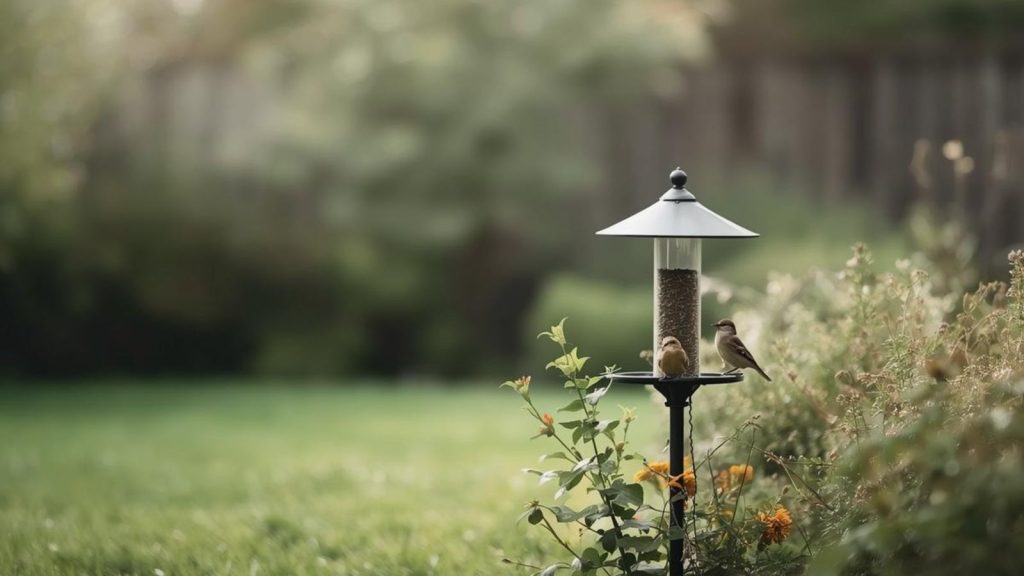
If birds aren’t visiting your feeder, the problem is often not the food—it’s the placement.
Where you position a bird feeder has a huge impact on how quickly birds find it, how safe they feel, and how often they return. Even small changes in location can dramatically increase bird activity in your garden.
In this guide, you’ll learn where to place a bird feeder for maximum bird activity, what to avoid, and how feeder placement affects bird safety and feeding success.
Quick Answer: Best Place to Put a Bird Feeder
The best place for a bird feeder is 1.5–3 metres from natural cover, in a quiet area, and at least 3 metres from windows to keep birds safe and encourage regular visits.
Want more birds visiting quickly? See our guide on How To Attract Birds To Your Garden Fast.
Why Bird Feeder Placement Matters
If a feeder is in the wrong place, birds may feel unsafe, be hard to reach, or be put at risk from predators. The right spot helps birds to:
- Spot food easily.
- Feed without stress.
- Get away fast if they sense danger.
- Come back to your garden again and again.
A well-placed feeder is good for both the birds and for anyone who enjoys watching them. Even small changes in placement can make a noticeable difference within a few days.
Where to Place Bird Feeders for Best Results
1. Place Feeders Near Natural Shelter
Birds prefer feeders placed close to natural cover, such as:
- Shrubs or hedges.
- Trees or small bushes.
- Climbing plants or dense foliage.
Shelter gives birds a spot to perch, watch for danger, and escape if a predator shows up. Try to put feeders about 1.5 to 3 metres (5 to 10 feet) from cover. This is close enough to safety, but not so close that predators can hide next to the feeder.
2. Keep Feeders at the Right Height
The best height depends on the type of feeder and which birds you want to attract:
- Seed feeders: 1.5–2 metres (5–6 feet) above the ground.
- Suet feeders: similar height or slightly higher.
- Ground feeders or trays: placed in open areas with clear visibility.
This height helps protect birds from cats and still makes it easy for them to reach the food.
3. Choose a Quiet, Low-Traffic Area
Birds are most likely to visit feeders placed further away from:
- Busy doors and walkways
- Loud noises or frequent movement
- Pets and play areas
A quiet spot in your garden helps birds feel safe, so they stay longer and come back more often.
How Far Should a Bird Feeder Be From Your House?
Many people wonder if feeders should be close to the house. The answer is yes, but it’s important to find the right balance.
If you put feeders 3 to 5 metres (10 to 15 feet) from your windows, you can watch the birds without bothering them. To help prevent birds from flying into windows, use window decals or place feeders either very close (under 1 metre) or farther away.
Sun or Shade: Where Is Better?
The best place for a bird feeder is a spot with partial shade:
- Shade keeps food fresh for longer.
- Prevents fat-based foods from melting.
- Helps birds stay cool while feeding.
Try not to put feeders in direct sun all day, especially if you live in a warm area.
Places You Should Never Put a Bird Feeder
To protect birds and reduce problems, avoid placing feeders:
- Directly on the ground (unless designed for it).
- Too close to thick cover where cats can hide.
- Near fences or structures, predators can climb.
- Under roofs where droppings can build up.
If feeders are in the wrong spot, you might see fewer birds, and there’s a higher risk of disease or predators.
Should You Use More Than One Feeder?
Yes, using more than one feeder brings more birds by:
- Reducing competition between species.
- Allowing different foods in different locations.
- Attracting a wider variety of birds.
If you space your feeders out, it also stops aggressive birds from taking over the feeding spots.
Adjusting Feeder Placement for the Seasons
Bird behaviour changes throughout the year:
- Winter: Place feeders closer to shelter and wind protection.
- Spring: Space feeders out to reduce territorial behaviour.
- Summer: Keep feeders shaded and clean.
- Autumn: Add feeders as natural food sources decline.
Making small changes with the seasons can really help your feeders work better.
Bird Feeder Types and Setup
The right feeder setup not only attracts more birds, but also makes them easier to watch up close.
Tube feeders
Ideal for small birds like blue tits and finches. They help reduce waste and keep seed dry.
See the best tube feeders for UK gardens.
Platform feeders
Great for blackbirds, robins, and thrushes who prefer open feeding areas.
See the best platform feeders for ground-feeding birds.
Suet & peanut feeders
Perfect for winter when birds need high-energy food.
See the best suet feeders for UK gardens.
For more tips on choosing, placing, and caring for feeders, check out our bird feeders page.
Why Birds Still Aren’t Visiting Your Feeder
Even with good placement, birds might take time to arrive. Common reasons include:
- It’s a new feeder (birds need time to find it)
- Low-quality or unfamiliar food
- Too much disturbance nearby
- No nearby water source
- Nearby gardens already feeding birds
If you’re still not seeing activity, read: Why Birds Aren’t Visiting Your Feeder (And How To Fix It).
Tips for Maximum Bird Activity
- Be consistent—keep your feeders in the same spot and topped up regularly. Birds need time to find and trust a new feeding area.
- Pay attention to how birds act and move your feeders if you notice any problems.
Final Answer: Where Should You Place a Bird Feeder?
The key to success is simple: place feeders near cover, keep them safe, and stay consistent.
Once birds discover a safe feeding spot, they will return daily—and you’ll quickly notice more variety and activity in your garden.