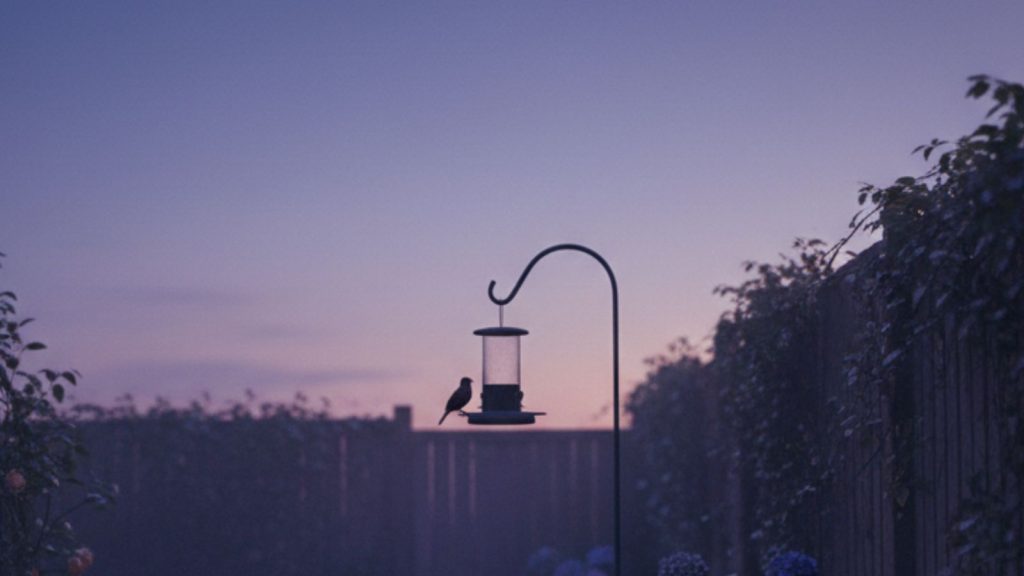
It can seem odd to hear birds chirping on a cold winter night. Most people think of birdsong as something you hear on spring mornings, not during dark evenings in December or January. Still, several common species often make sounds after sunset, even in winter.
Here are some reasons why this happens.
Artificial Light Disrupts Their Body Clock
In towns and cities, streetlights and garden lights can trick birds into thinking that morning has come early.
Birds like the European Robin are especially known for singing at night when there is artificial light. Robins defend their winter feeding spots, and bright lights make them think the day is longer.
That’s why cities often have robins singing at night during the winter.
Winter Territorial Behaviour
Some birds keep defending their territory even after summer ends.
Robins are very territorial all year. In winter, both male and female robins may claim feeding areas. Singing at night can help them:
- Warn off rivals.
- Claim food sources.
- Maintain winter space.
Unlike many other birds that become quieter after the breeding season, robins keep singing even during the colder months.
Milder Winter Nights
Increasingly mild winters can trigger occasional bursts of birdsong.
Blackbirds may start singing during unexpected warm spells. Even a brief rise in temperature can make them act as if spring is coming early.
As the climate changes, people are noticing more birdsong in winter in some areas.
Alarm Calls After Dark
Not every chirp is a song. Short, sharp sounds are often alarm calls.
Birds may react to:
- Foxes
- Cats
- Owls
- Sudden loud noises
If something disturbs the hedges or garden, birds may call out for a short time at night before things quiet down again.
Early Dawn Chorus in Late Winter
By late January and February, some birds start getting ready for spring by practising their songs.
The Song Thrush is one of the first birds to sing each year. On bright nights, especially near a full moon or in well-lit places, you might hear bits of their song hours before sunrise.
Is It Normal for Birds to Chirp at Night in Winter?
Yes, in most cases, this is completely normal.
Winter nighttime birdsong is most commonly linked to:
- Urban light pollution.
- Territorial robins.
- Mild weather spells.
- Disturbances from predators.
It happens much less often in dark, rural areas than in towns or cities.
When Should You Be Concerned?
Persistent frantic activity—such as birds repeatedly flying into lit windows—can indicate disorientation caused by bright lighting. Reducing external lighting overnight can help.
Otherwise, hearing birds chirp in winter now and then just shows how adaptable they are.
Want to Learn More About Bird Behaviour?
If you’re new to birdwatching or want to figure out what you’re hearing, check out our Start Here page. It has a full beginner’s guide to garden birds, their seasonal habits, and tips for identifying them.
Understanding why birds chirp at night in winter makes those cold, quiet evenings feel a little more connected to the natural world around you.