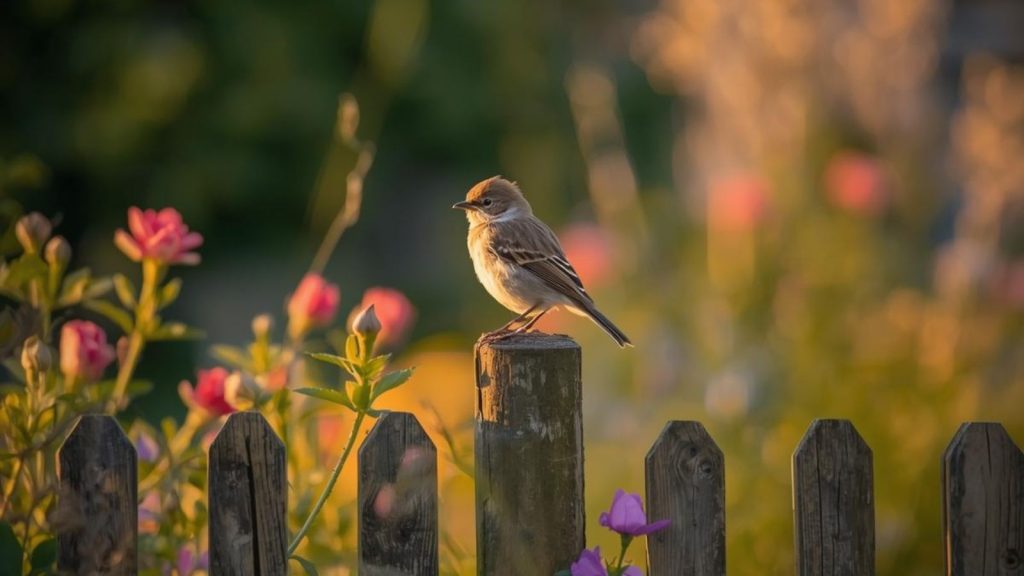
For many years, garden birds have been a familiar and welcome sight across the UK, with millions of households enjoying their daily visits. But in recent decades, more and more species have started to disappear from our gardens.
If you’ve seen fewer birds at your feeder or heard less birdsong in the mornings, you’re not imagining things. Many birds that used to be common are now declining, and learning why is the first step to helping them recover.
This guide looks at which garden birds are declining, why it’s happening, and what you can do to help.
Why Are Garden Birds Declining in the UK?
Garden birds are declining for several reasons that often overlap and add up:
Habitat Loss and Urbanisation
New housing developments often don’t have the thick hedges, old trees, and natural nesting spots that birds need. Neat, low-maintenance gardens with fake grass and lots of paving also mean less shelter and food for birds.
Agricultural Intensification
Modern farming methods have greatly affected bird numbers. Fewer hedgerows, more pesticides, and less variety in crops mean there are fewer insects and seeds for birds to eat.
Climate Change
Changes in temperature and seasons can upset birds’ breeding and food supply. For example, insects might appear earlier in the year, before chicks hatch, so parent birds have less food for their young.
Disease
Some bird species have been hit hard by disease, especially those that gather at feeders. Not cleaning feeders often enough can make diseases spread faster.
Decline in Insects
Many birds rely on insects for food, especially when raising chicks. As insect numbers have dropped, this has affected many different bird species.
Garden Birds in Significant Decline
These are some of the garden birds whose numbers have dropped the most:
House Sparrow
House sparrows used to be one of the UK’s most common birds, but their numbers have fallen a lot, especially in towns and cities. Newer buildings have fewer places for them to nest, and fewer insects make it harder for them to feed their chicks.
Starling
You can still spot starlings in some places, but there are far fewer than before. This is mostly because of changes in farming and fewer insects and worms in the soil.
Song Thrush
Song thrushes are shy but lovely singers that have been declining for a long time. With fewer damp places and less snails and worms, it’s become much harder for them to find food.
Greenfinch
Greenfinch numbers have dropped a lot because of a disease called trichomonosis. This disease spreads quickly where birds gather, especially if feeders aren’t kept clean.
Bullfinch
Bullfinches can still be found in some parts of the UK, but they aren’t as common in gardens as they used to be. Changes to their habitats and past problems with fruit growers have reduced their numbers.
Spotted Flycatcher
Spotted flycatchers visit in summer, but their numbers have dropped a lot. This is because there are fewer insects and less suitable habitat, both in the UK and along their migration routes.
Birds Showing Mixed or Emerging Declines
Some birds aren’t declining everywhere, but their numbers are falling in certain areas or under specific conditions:
Blackbird
Blackbirds are still common, but more are getting sick and are affected by environmental changes.
Robin
Robins are still a favourite in many gardens, but their numbers can decline in some areas after harsh winters or disease outbreaks.
Chaffinch
Chaffinches are also common at feeders, but their numbers have declined in some areas, possibly due to disease and habitat changes.
Regional Differences: Why Decline Isn’t the Same Everywhere
It’s important to note that bird declines vary across the UK:
- Urban areas tend to see sharper declines in species like house sparrows.
- Rural areas are more affected by agricultural changes, which in turn impact species like starlings.
- Coastal and southern regions may experience different trends due to climate shifts.
This means that what you see in your own garden really matters. Your local observations help build a bigger picture for the whole country.
How You Can Help Declining Garden Birds
The good news is that you can help right from your own garden. Even small changes can make a big difference for struggling birds.
1. Plant for Wildlife
Pick native plants that offer natural food like seeds, berries, and nectar. Planting in layers with trees, shrubs, and ground cover gives birds more places to shelter and feed.
2. Feed Birds Safely
Bird feeders are a great way to help birds, but make sure to:
- Clean feeders at least once a week.
- Rotate feeding spots to prevent contamination.
- Provide a mix of seeds, suet, and live food, such as mealworms.
3. Provide Nesting Opportunities
Install nest boxes suited to different species and allow parts of your garden to grow a little wild. Dense hedges are especially valuable.
4. Add Water
Birds need a clean, shallow water source for drinking and bathing. In winter, try to keep it from freezing.
5. Avoid Chemicals
Cutting back on pesticides and herbicides helps insects recover, and insects are one of the most important foods for birds.
6. Create a “Messy” Garden Zone
If you leave leaf piles, dead wood, and some uncut areas in your garden, you’ll attract more insects and give birds natural places to find food.
Why Protecting Garden Birds Matters
Garden birds are important for the health of the environment:
- Natural pest control by eating insects.
- Seed dispersal, helping plants grow and spread.
- Indicators of environmental health.
Start Here: Build a Wildlife-Friendly Garden
If you want to help birds but don’t know where to start, our Start Here page is a great place to begin.
It walks you through everything from setting up your first bird feeder to designing a fully wildlife-friendly garden that supports birds, pollinators, and other essential species.
Final Thoughts
The decline of garden birds is a serious but solvable problem. While large-scale environmental changes require national action, individual gardeners can still make a meaningful impact.
By giving birds food, shelter, and safe places, you can make your garden a haven for species that need help. This way, future generations will also get to enjoy the sights and sounds of British birds.