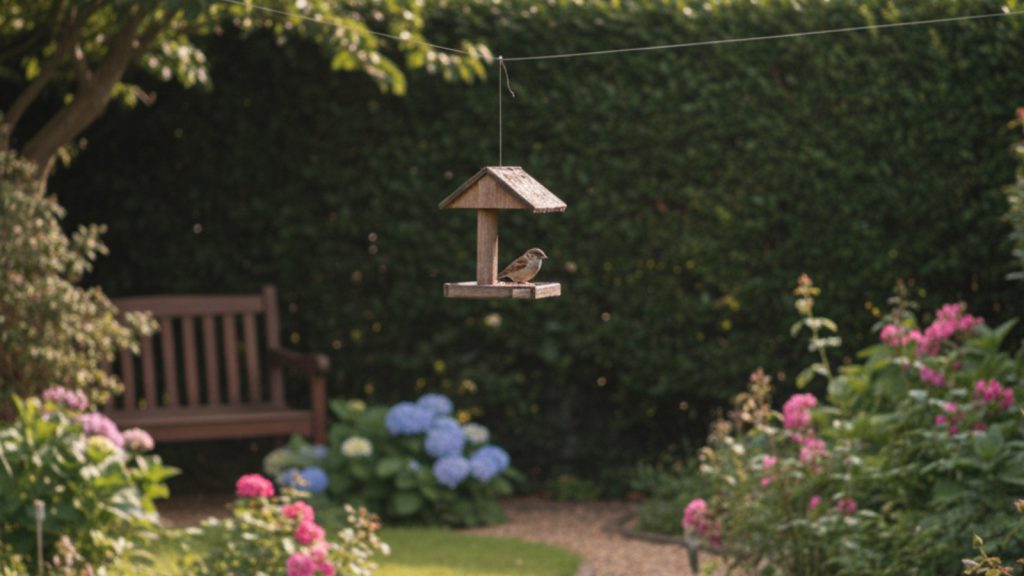
If you’ve just set up a bird feeder in your garden, you’re probably wondering:
“How long does it take for birds to find a feeder in the UK?”
The short answer is that it can take anywhere from a few hours to a month.
In most UK gardens, birds usually find a new feeder within one to two weeks. In established gardens where birds already visit, it’s often much faster. This depends on where you place it, the type of food you use, and whether the birds feel safe. Some birds will visit right away, while others take longer. If you don’t see any birds at first, don’t worry—this is normal.
This guide explains what affects how quickly birds find your feeder, and how to attract them faster.
Quick Answer: How Long Does It Take Birds to Find a Feeder?
- Most birds find a new feeder in 1–2 weeks.
- Some may visit within hours or days.
- In quieter gardens, it can take up to a month.
How Long Does It Normally Take?
Here’s a realistic timeline for UK gardens:
- Within a few hours: Curious birds may investigate (especially tits and robins).
- 2–7 days: First consistent visitors appear.
- 1–3 weeks: Regular feeding habits begin to form.
- Up to a month: The feeder becomes part of their daily routine.
Once birds learn to trust your feeder, they’ll return daily.
In many gardens, it’s common to see blue tits or robins appear first, often within the first few days.
Which UK Birds Find Feeders First?
Some species are much quicker than others to discover new food sources.
Fastest to arrive:
- Robins
- Great tits
- Blue tits
- House sparrows
Slower, more cautious birds:
- Blackbirds
- Dunnocks
- Starlings
Smaller and more curious birds are usually the first to explore. After they begin feeding, other birds often join in soon after.
Not sure which birds you’re seeing? This guide to Common Garden Birds In The UK will help you identify them.
What Affects How Quickly Birds Find a Feeder?
1. Feeder Placement (Most Important)
Birds won’t visit if they don’t feel safe.
Best placement tips for UK gardens:
- Near hedges, shrubs, or trees.
- Visible from above.
- Sheltered from strong wind.
- Away from constant human activity.
If your feeder is out in the open, birds might stay away from it altogether.
Placement matters more than you might think—here’s exactly Where To Place A Bird Feeder For The Best Results.
2. Type of Food You Use
Food choice can dramatically speed things up.
Best foods to attract UK birds quickly:
- Sunflower hearts (top choice)
- Fat balls (especially in winter)
- Peanuts (in a proper feeder)
Avoid cheap seed mixes, as they often contain fillers like wheat that many garden birds ignore.
Choosing the right food makes a big difference. Here’s a full guide on What To Feed Garden Birds In The UK.
3. Time of Year
Seasonality plays a big role in how quickly birds respond.
- Winter: Fastest (food is scarce).
- Spring: Moderate activity.
- Summer: Slower (natural food is abundant).
- Autumn: Activity increases again.
If you want to see quick results, winter is the best time to start feeding.
4. Your Garden Environment
If your garden already attracts birds, they’ll find your feeder much faster.
To improve your chances:
- Add plants or hedges for cover.
- Reduce noise and disturbance.
- Provide fresh water.
Even the smallest UK garden can attract a wide variety of birds with the right setup.
How to Attract Birds to Your Feeder Faster
If birds haven’t found your feeder yet, these proven tips will help:
Make It Easy to Spot
Don’t hide your feeder deep in the bushes. Birds need to spot it easily.
Start with High-Value Food
Sunflower hearts and suet are irresistible to most garden birds.
Add a Bird Bath
Water often attracts birds faster than food.
Once they visit for water, they’re more likely to discover your feeder.
Adding water can make a big difference—here’s a guide to The Best Bird Baths For UK Gardens to get started.
Keep Feeding Consistent
Once birds find your feeder, they’ll rely on it.
Try to keep it filled, especially during the colder months.
Be Patient and Avoid Disturbance
Too much activity nearby (people, pets, noise) can delay visits.
Birds prefer calm, predictable environments.
If you’re still not seeing birds after a couple of weeks, small changes in placement or food can make a big difference.
Why Haven’t Birds Found My Feeder Yet?
If it’s been more than 2–3 weeks with no activity, it’s usually due to:
- Poor placement (too exposed).
- Low-quality food.
- Too much disturbance.
- Lack of nearby cover.
Small adjustments can make a big difference, and birds often appear shortly after changes are made.
Best Types of Feeders for Beginners
If birds aren’t visiting, your feeder type could be the issue.
Good starter options:
- Tube feeders (great for sunflower seeds).
- Suet feeders (perfect for winter).
- Peanut feeders (for tits and woodpeckers).
If you’re just getting started, simple feeders tend to work best and attract birds more quickly. Using the right feeder with the right food makes a big difference.
If you’re unsure which feeder to choose, this beginner guide to The Best Bird Feeders For UK Gardens will help you pick the right one.
Signs Birds Have Found Your Feeder
Even if you don’t see birds straight away, look for these signs:
- Seed levels dropping.
- Feeder moving slightly.
- Droppings underneath.
- Feathers nearby.
Birds often visit early in the morning or when your garden is quiet.
Common Mistakes That Stop Birds Visiting
If nothing is happening after a couple of weeks, check for these issues:
- Feeder placed in an exposed location.
- Low-quality or unsuitable food.
- Feeder too close to human activity.
- Not cleaned regularly.
- No nearby shelter.
Fixing just one of these can make a big difference.
Quick Checklist: Get Birds to Your Feeder Faster
- Place feeder near cover.
- Use sunflower hearts or suet.
- Add fresh water.
- Keep feeding consistent.
- Reduce noise and disturbance.
Final Thoughts
So, how long does it take for birds to find a feeder?
- Fast: A few hours to a few days.
- Typical: 1–2 weeks.
- Slow: Up to a month.
If you’ve set things up correctly, it’s only a matter of time.
Once birds discover your feeder and feel safe, it quickly becomes part of their daily routine. Your garden will soon feel much more alive.
Build a Wildlife-Friendly Garden
A feeder is just the beginning. Combine food, fresh water, shelter, and bird-friendly plants to turn your garden into a reliable haven for wildlife.
New to feeding birds? Take a look at our Bird Feeders page to learn the basics and set up your garden the right way.