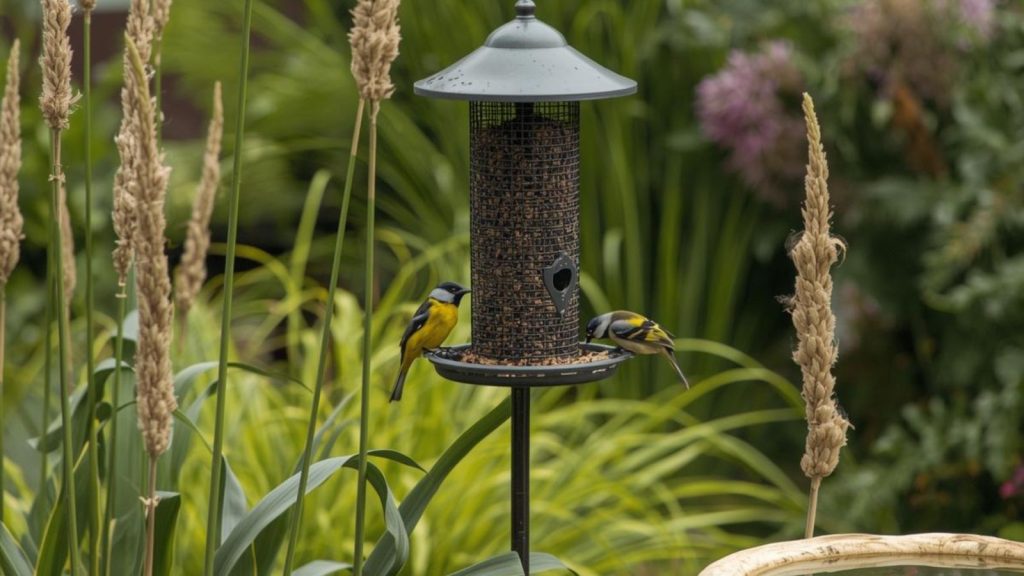
Garden Bird Feeders, Types and How to Use Them
Bird feeders are a great way to attract a variety of bird species to your garden here in the UK. Here you will find guides to the best garden feeders and placement tips, this can increase the number of birds visiting your garden.
Why Bird Feeders Are Important
As gardens change, bird feeders make bird food more easily accessible, and they play an increasingly important role in supporting bird populations.
Using bird feeders can:
- Help birds survive winter and harsh weather.
- Support birds during breeding season.
- Attract a wider range of garden birds.
- It allows you to see birds up close.
Types of Bird Feeders for Garden Birds
Different bird species feed in different ways. Offering a variety of bird feeders will attract more birds and reduce competition.
Seed Feeders
Seed feeders are among the most common garden bird feeders. They are usually cylindrical and hang from trees, hooks, or feeding stations.
- Seed feeders attract:
- Blue tits and great tits
- Finches
- House sparrows
They work best when filled with high-quality seed or sunflower hearts.
Fat Ball and Suet Feeders
Fat feeders are designed to hold fat balls, suet blocks, or fat pellets. These high-energy foods are especially valuable in colder months.
Fat feeders attract:
- Blue tits, green tits and great tits
- Woodpeckers
- Starlings
Avoid fat balls sold in plastic nets, as these can cause injuries.
Peanut Feeders
Peanut feeders are made from wire mesh to prevent birds from taking large pieces of peanuts.
They attract:
- Blue tits
- Great tits
- Greenfinches
Only use bird-safe, unsalted peanuts and never place loose peanuts on tables.
Ground Feeders and Bird Tables
Some birds prefer feeding on the ground or flat surfaces rather than hanging feeders.
Ground feeders and tables attract:
- Robins
- Blackbirds
- Dunks
You should be mindful of the risk of predation or pest infestations when ground feeding.
If you’re new to attracting birds to your garden, picking the right feeder can really help you see results faster and attract different species. There are lots of beginner-friendly options that suit UK gardens. To help you get started, check out our guide to The Best Bird Feeders for UK Gardens (Top Picks for Beginners).
Where to Place Bird Feeders
Correct bird feeder placement helps birds feel safe and keeps food clean.
When placing bird feeders:
- Position them near shrubs or trees for quick escape.
- Keep feeders out of reach of cats.
- Avoid placing feeders too close to fences or walls.
- Ensure feeders are easy for you to clean and refill.
- Spacing feeders apart can reduce competition behaviour.
Even the best bird feeder won’t attract many birds if it’s placed in the wrong spot. Putting a feeder near shelter, at the right height, and away from predators makes a big difference to how safe birds feel while feeding. Our guide on Where To Place A Bird Feeder explains the best locations in your garden to maximise bird activity and help birds return day after day.
How Many Bird Feeders Do You Need?
A simple setup works well in most gardens; you don’t need to go overboard on the feeders.
A good starting point is:
- One seed feeder.
- One fat feeder.
- One ground feeding area.
As time goes on, more birds will start to visit your garden. Adding extra feeders can really help reduce overcrowding.
Cleaning and Maintaining Bird Feeders
Cleaning bird feeders regularly is essential for bird health. Dirty feeders can spread disease among garden birds.
To keep feeders safe:
- Clean feeders at least every two weeks.
- Use hot water.
- Remove old or wet food.
- Allow feeders to dry before refilling.
- Feeding areas should also be kept tidy.
If you’ve noticed a pile of seed under your bird feeder, you’re not the only one. A good feeder can help cut down on waste, but it’s also useful to know why birds act this way. Birds don’t always eat every seed they drop. Sometimes they’re looking for their favourite seeds, removing husks, or dealing with a crowded feeder. To find out more about why this happens and what you can do, check out our detailed guide on Why Do Birds Throw Seed Out of Feeders?
Using Bird Feeders Throughout the Year
Bird feeders can be used year-round, but how you use them may change with the seasons.
Winter: Focus on high-energy foods and regular feeding.
Spring: Avoid loose peanuts and support nesting birds.
Summer: Feed in moderation and provide fresh water.
Autumn: Help birds build energy reserves.
Consistency is important — once birds rely on your feeders, try not to stop suddenly.
In winter, many bird enthusiasts wonder if they should leave their feeders up or take them down. Feeding birds in cold weather can help them survive, but it’s also important to think about safety, cleanliness, and how local wildlife behaves. For more help deciding what’s best for your garden birds during this time, read our guide on Should You Take Down Your Bird Feeders in Winter?
During the spring nesting season, your bird feeder helps garden birds as they care for their young. Spring feeding requires a few changes, such as offering high-protein foods and placing feeders in safe spots. For tips on giving birds the right nutrition at the right time, check out our Spring Bird Feeding Tips for Nesting Season guide. It has practical advice to help garden birds thrive during this important season.
Common Bird Feeder Mistakes to Avoid
To feed birds responsibly, avoid:
- Using poor-quality feeders that break easily.
- Allowing food to go mouldy.
- Placing feeders where predators can ambush birds.
- Feeding unsuitable foods.
Good feeder management benefits both birds and your garden.
If you’ve noticed fewer birds at your feeder, it can be confusing, especially if you haven’t changed anything. There could be a range of reasons why birds may be staying away, such as migration, more natural food, nearby predators, or even the cleanliness of the feeder. To find out what’s happening and how to bring them back, check out our guide on Why Birds Stop Visiting Feeders Suddenly.
If you’ve put out feeders to bring in robins, sparrows, blue tits, and other favourite garden birds, you’ve likely noticed that squirrels are just as interested. They can quickly empty a feeder, scatter seed, and sometimes even break your equipment. The good news is that there are safe and effective ways to keep squirrels away without bothering the birds you want to watch. Check out our guide How to Keep Squirrels Away From Your Feeder for practical tips that really help.
Choosing the Right Bird Feeders for Your Garden
The best bird feeders depend on:
- The size of your garden.
- The birds you want to attract.
- The time you have to maintain it.
Most gardens benefit from a mix of hanging feeders and ground feeding options.
With so many different feeder styles available, choosing the right one can feel a little confusing at first. Our guide to How To Choose the Right Bird Feeder for Your Garden breaks it down simply, helping you pick the one that best suits you.
If you enjoy attracting birds to your garden but don’t have much space, picking the right feeder makes all the difference. In this guide to the Best Bird Feeders for Small Spaces, we’ll look at compact choices that work well on balconies, patios, and small yards while still keeping your feathered guests happy. You’ll find smart designs, placement tips, and advice on the best feed to help birds return again and again.
Related Guides
To get the most from your bird feeders:
Bird Food: Learn what to put in your feeders — and what to avoid
Garden Birds: A beginner’s guide to feeding and attracting birds
Final Thoughts
Bird feeders are a powerful way to support birds in the UK. With good feeders, placement, and care, your garden becomes a year-round food source.
Whether you’re just starting out or refining your setup, understanding bird feeders is a key step toward a thriving bird-friendly garden.